Imagine stepping onto your balcony and being greeted by lush greenery, fresh herbs, and even homegrown tomatoes — all thriving in the heart of your urban oasis. With balcony gardening ideas evolving in 2026, it’s easier than ever to create your own green sanctuary.
There is a trend for every urban gardener, whether they want to grow fresh produce at home, embrace sustainability, or make the most of small spaces. Are you prepared to makeover your balcony?
Let’s dive into the top ideas that will make your outdoor space the envy of the neighborhood.
Top Balcony Gardening Ideas: Sustainable and Edible Solutions
Balcony gardening has evolved into a creative and practical way to maximize small urban spaces. Whether you’re aiming to create a private oasis or grow your own fresh produce, there’s a growing emphasis on sustainability, space optimization, and integrating smart technology. If you’re in the US, here are the latest balcony gardening ideas that will help you turn your outdoor space into a productive, eco-friendly garden.
1. Vertical Layering: Maximize Your Space
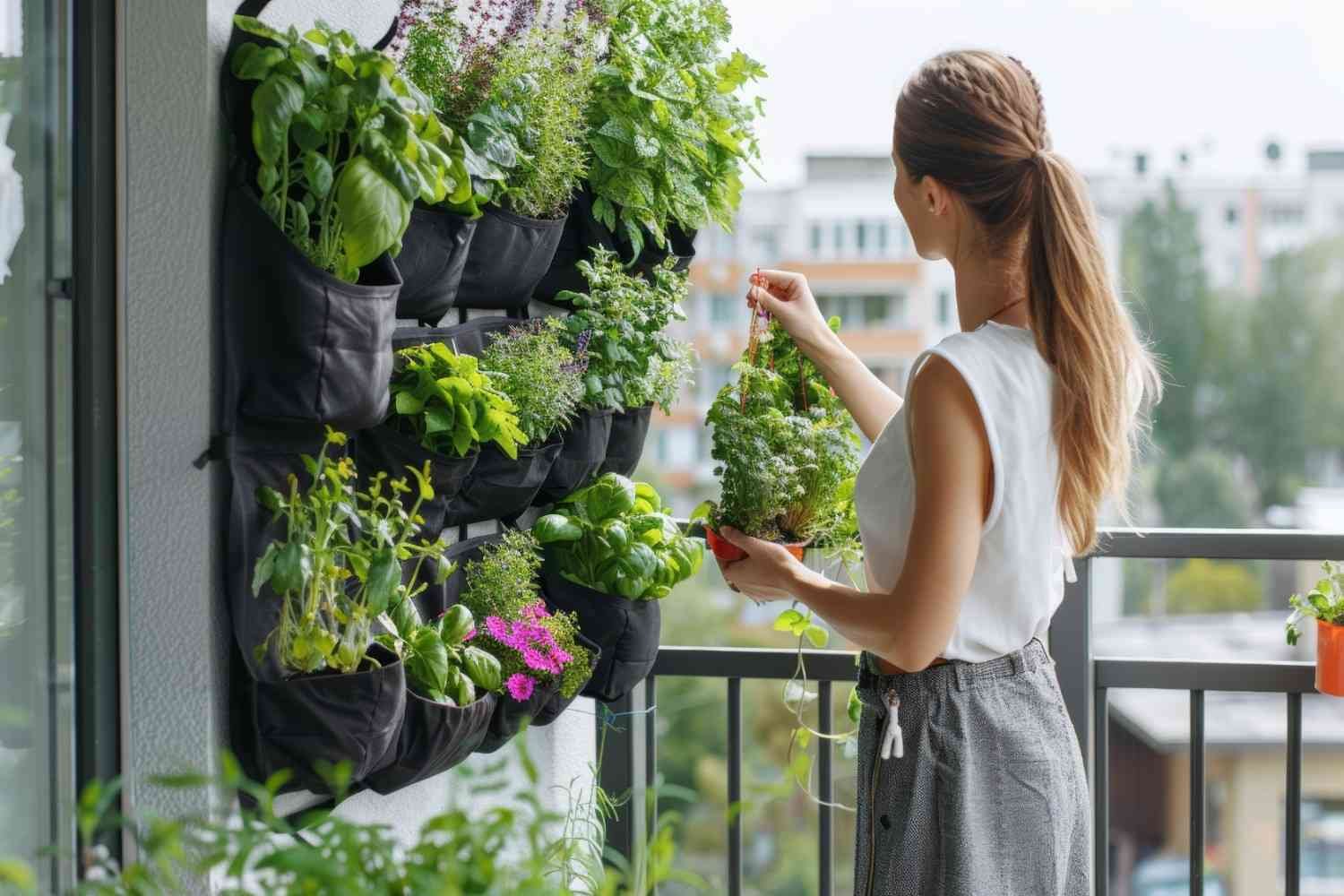
Urban spaces often come with limited square footage, but vertical gardening makes the most of your balcony. Use wall-mounted planters, tiered stands, and hanging baskets to free up floor space while maintaining a clutter-free garden.
PVC pipes and wall pockets are particularly popular for growing leafy greens like spinach, lettuce, and herbs such as basil and cilantro. These vertical setups allow for easy access and efficient use of limited space.
2. Edible Balconies: Grow Your Own Fresh Produce
One of the most prominent balcony gardening ideas is transforming your balcony into an edible space. Edible balconies are not just for aesthetics; they provide fresh, homegrown ingredients. Popular choices include cherry tomatoes, chili peppers, and herbs like mint, basil, and cilantro.
These plants not only beautify your space but also reduce your carbon footprint, making them a sustainable choice for urban gardeners across the US.
3. Smart Maintenance: Make Your Garden Self-Sustaining
With the fast-paced lifestyle in urban areas, self-sustaining garden solutions are key. Smart maintenance tools such as self-watering pots and DIY drip irrigation systems are gaining popularity.
Many gardeners are creating their own systems using recycled bottles for watering, which helps manage the faster drying times of container plants. These solutions save time and ensure your plants thrive, even with minimal intervention.
4. Privacy Screens: Create a Green Curtain

Urban living often means little privacy, but your balcony can serve as a green curtain with the right plants. Tall, lush plants like bamboo, areca palms, or climbing vines (such as jasmine and ivy) can create a natural privacy screen. Not only will this give you more seclusion, but it will also add beauty and vibrancy to your space.
This trend is especially popular in US cities where privacy and outdoor relaxation are paramount.
5. Eco-Friendly Practices: Compost and Recycle
With environmental concerns at the forefront, many urban gardeners are turning to eco-friendly practices. Balcony composting is on the rise, with airtight containers perfect for small spaces. By composting kitchen scraps, you can create nutrient-rich fertilizers that nourish your plants without contributing to landfill waste.
Recycled materials, from DIY irrigation to using upcycled containers for planting, are making balcony gardens more sustainable than ever.
Essential Checklist for U.S. Balconies
Before you embark on your balcony gardening journey, here’s a quick checklist to ensure your garden thrives:
1. Sunlight Assessment: Choose the Right Spot
Most vegetables and flowering plants like lavender and roses need 6–8 hours of full sun. Typically, south- or west-facing balconies get the most sun, making them ideal for growing edible plants. If you’re unsure, invest in a simple light meter to assess your space’s sunlight exposure.
2. Weight Limits: Choose Lightweight Materials
Balconies in US cities often have weight restrictions to ensure safety. Opt for lightweight materials such as fiberglass or plastic for planters instead of heavy ceramic or concrete pots. When soil is wet, heavy containers can exceed these limits, so it’s important to select materials that won’t compromise your balcony’s integrity.
3. Building Rules: Follow HOA and Apartment Guidelines
Before hanging items from railings or setting up water drainage systems, always verify with your apartment building or Homeowners’ associations (HOAs) guidelines. Different locations in the US have varying rules regarding balcony gardening—ensuring that you comply with them will help avoid penalties or disputes with neighbors.
4. Microclimate Factors: Protect Your Plants from Wind

High-floor balconies, especially in windier cities, can be prone to strong gusts. Consider using heavy pots at the base of your balcony and securing lighter ones to railings. Wind protection helps prevent your plants from toppling over, ensuring their survival through storms and gusty weather.
Turn Your Balcony Into an Urban Oasis
Balcony gardening is all about maximizing space, reducing environmental impact, and growing fresh, edible plants. Whether you’re using vertical gardening solutions or smart watering systems, there are endless ways to transform your small balcony into a functional, eco-friendly garden.
The essential checklist for US balconies ensures that your garden remains safe, sustainable, and beautiful year-round. Embrace these trends, and you’ll soon enjoy a thriving balcony garden, no matter how small your space.