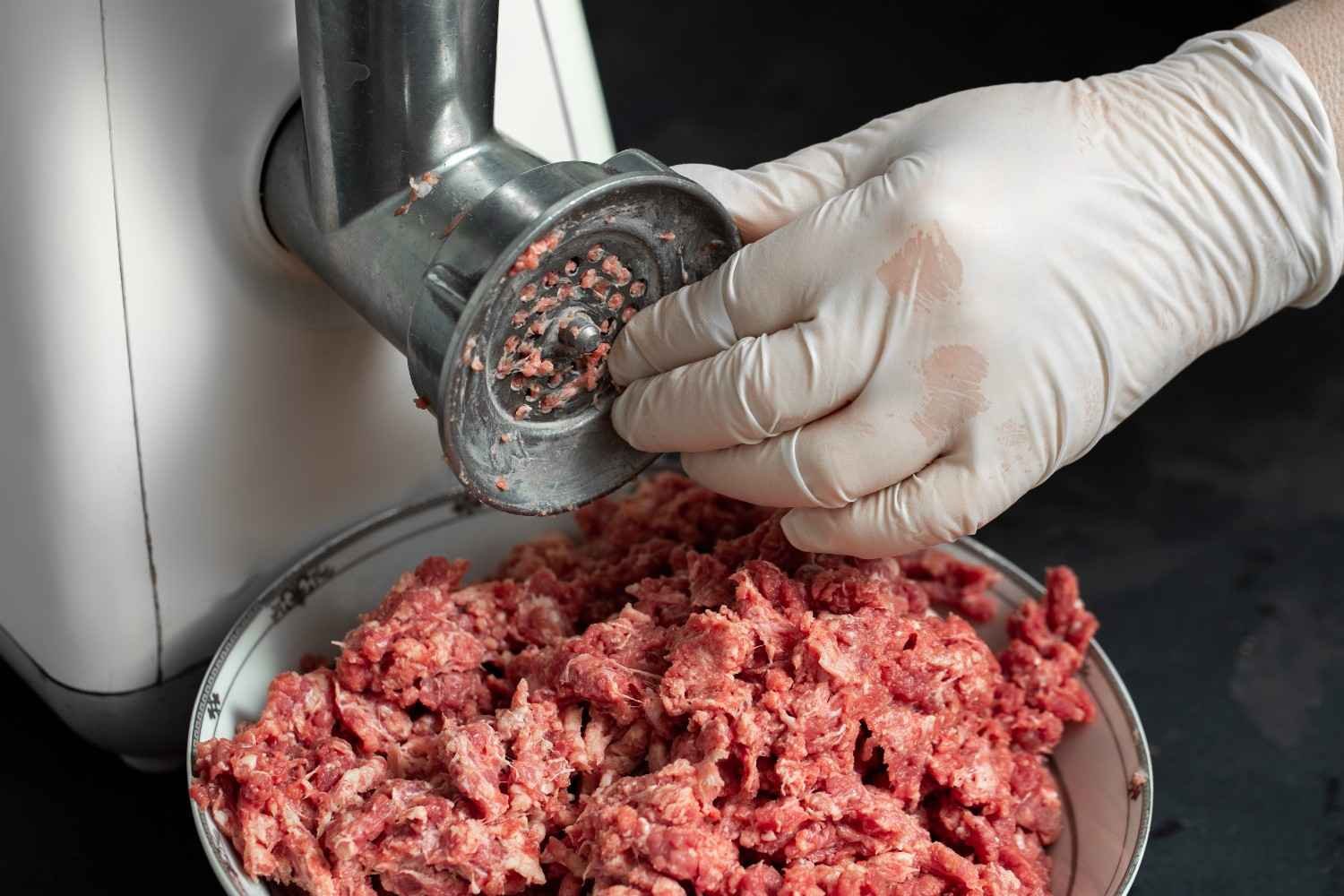
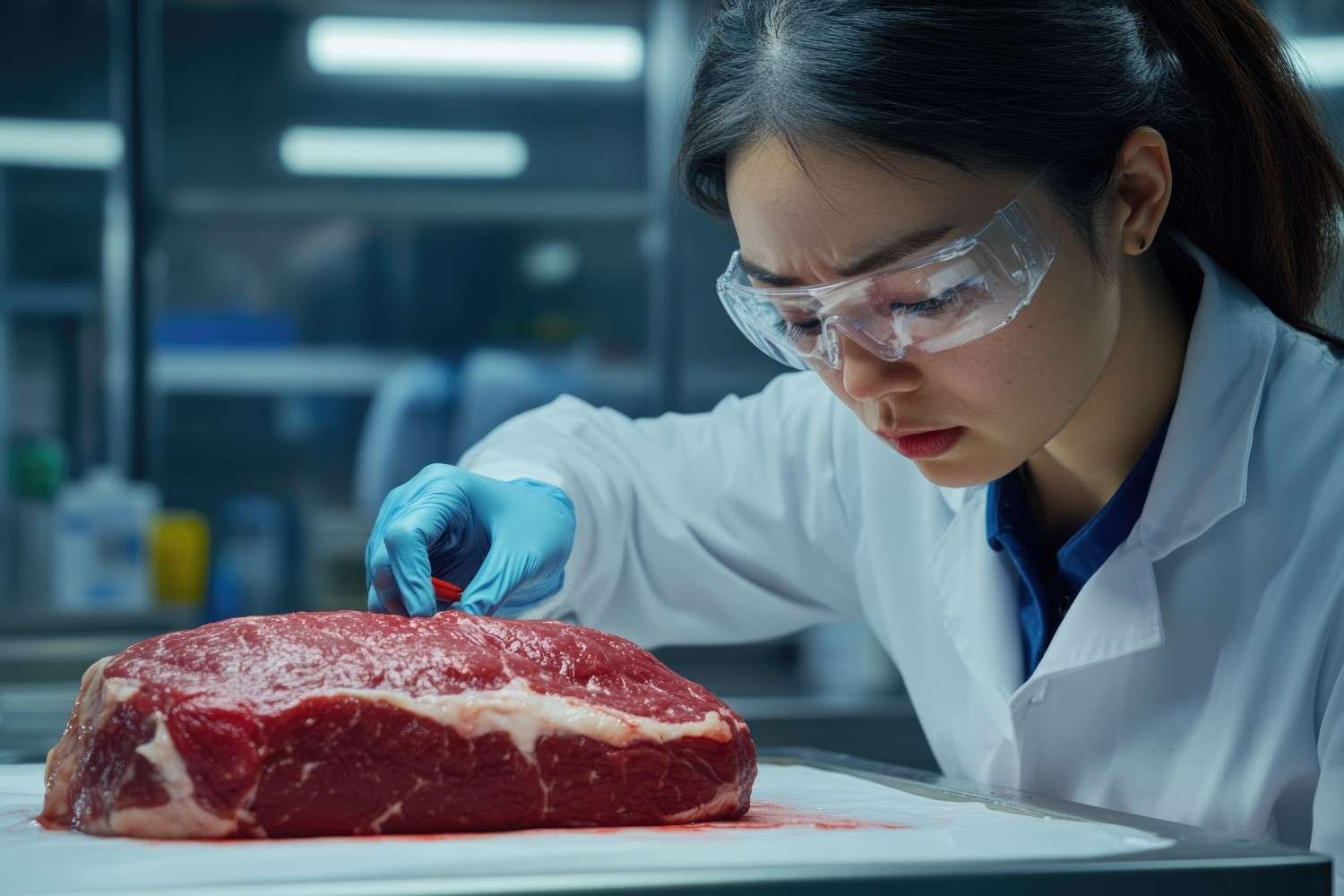
Imagine biting into a juicy burger without ever harming an animal. Sounds like science fiction, right? Well, lab-grown meat is turning that dream into a reality. As more people seek sustainable, ethical, and innovative alternatives to traditional meat, lab-grown meat (or cultivated meat) has emerged as a groundbreaking option.
But before you jump on the bandwagon, there’s one big question to answer: Is lab-grown meat safe to eat?
In this blog, I’m diving deep into the world of lab-grown meat to separate fact from fiction. From regulatory approvals and safety benefits to the potential risks, you’ll get the full scoop on whether this futuristic food is truly ready for your plate. Let’s find out if lab-grown meat is the healthy, ethical alternative we’ve been waiting for!
What is Lab-Grown Meat?
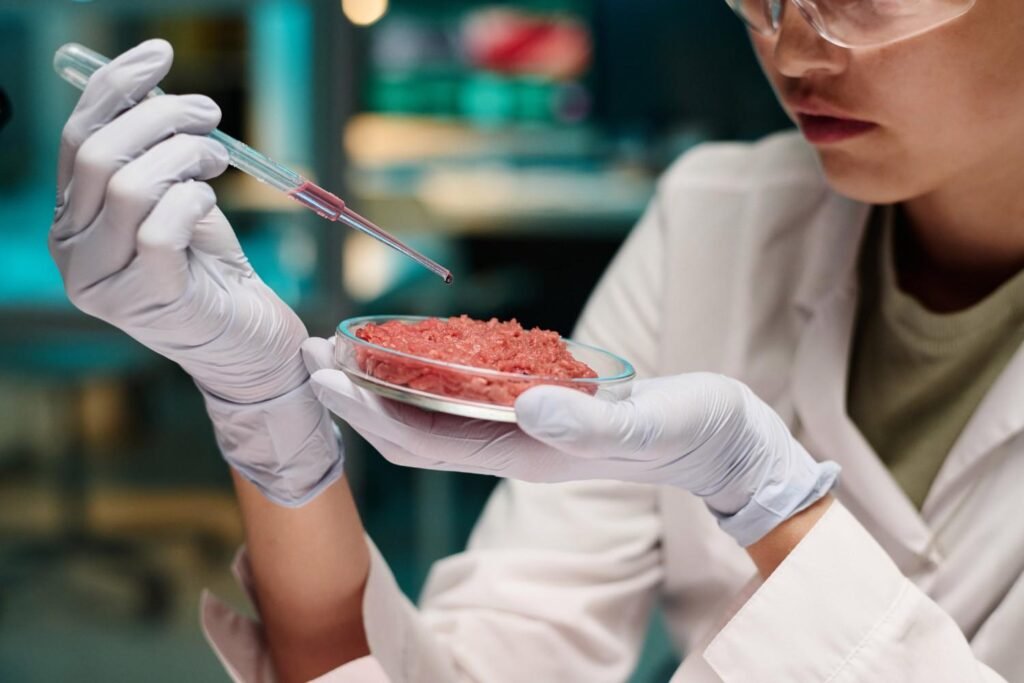
Lab-grown meat is produced by cultivating animal cells in a controlled, sterile environment. Unlike traditional meat, which requires raising and slaughtering animals, lab-grown meat eliminates the need for livestock.
Instead, cells are taken from an animal, typically a cow, chicken, or pig, and grown into muscle tissue that closely mimics the texture, taste, and nutritional value of real meat.
It’s a breakthrough technology that promises to revolutionize the food industry, offering more sustainable and humane options. But with this new innovation comes the question of safety. Let’s dig into the details!
How Is Lab-Grown Meat Made?
Here’s the process behind lab-grown meat:
- Cell Collection: A small biopsy is taken from a live animal. The sample contains muscle cells that will later grow into meat.
- Cell Cultivation: In cell Cultivation these cells are placed in a bioreactor, where they are provided with nutrients, oxygen, and growth factors to help them multiply.
- Cell Growth: Over time, the cells multiply and form muscle fibers, similar to traditional meat.
- Harvesting: Once the cells have matured into muscle tissue, the product is harvested, processed, and ready for consumption in the form of products like burgers, nuggets, and even steaks.
The result is a sustainable and ethical way to produce meat without animal slaughter, with a potential for reduced environmental impact.
Is Lab-Grown Meat Safe to Eat?
Lab-grown meat is considered safe to eat by major health authorities like the U.S. FDA, USDA, and regulators in countries like Singapore, Israel, and Australia. In fact, lab-grown meat products like cultivated chicken have already received approval for human consumption in the U.S. and beyond. But let’s dive deeper into why lab-grown meat is safe and what the future holds.
Regulatory Approvals
- United States: The FDA and USDA have given approval for lab-grown meat, including chicken products from companies like UPSIDE Foods and GOOD Meat. This regulatory support assures us that these products meet safety standards for human consumption.
- Singapore: Singapore became the first country to approve lab-grown chicken in 2020, followed by other products like cultivated quail.
- Israel & Australia: Israel has approved cultivated beef, while Australia is expected to approve lab-grown quail in 2025.
These approvals are a strong indication that lab-grown meat is not only innovative but safe to eat when produced in regulated facilities.
Safety Benefits of Lab-Grown Meat

One of the biggest advantages of lab-grown meat is the controlled environment in which it’s produced. Here are some key safety benefits:
- Reduced Pathogen Risk: Since lab-grown meat is produced in a sterile, controlled environment, it has a significantly lower risk of contamination from harmful bacteria like E. coli and Salmonella, which are common in traditional meat production.
- Antibiotic-Free: Lab-grown meat is free from the antibiotics commonly used in factory farming, helping to combat the growing problem of antibiotic resistance.
- Zoonotic Disease Prevention: Since there’s no live animal involved in the production process, the risk of zoonotic diseases—illnesses that can jump from animals to humans, such as avian flu or coronavirus—is eliminated.
These factors make lab-grown meat a safer option compared to conventionally farmed meat.
Ongoing Research: Are There Any Risks?
While lab-grown meat is deemed safe by regulatory bodies, scientific research is still ongoing to understand its full potential and possible risks. Here are some areas that are under study:
- Cell Line Stability: Researchers are monitoring whether the rapidly multiplying cells used in lab-grown meat remain genetically stable over time. Products must prove they are genetically stable before they’re approved for consumption.
- Nutritional Equivalency: Lab-grown meat is biologically similar to conventional meat, but its exact nutritional profile—like the levels of iron or vitamin B12—can vary depending on the growth medium used.
- Novel Ingredients: Any new materials used in the production process, such as growth factors or scaffolding (to give the meat structure), must undergo thorough testing to ensure they are non-toxic and non-allergenic.
These areas are being researched to ensure that lab-grown meat is not only safe but also nutritionally comparable to traditional meat.
What Are the Benefits of Lab-Grown Meat?
There are several compelling reasons why lab-grown meat is becoming an exciting alternative to traditional meat. Let’s explore the benefits:
- Animal Welfare: Since lab-grown meat eliminates the need for slaughtering animals, it aligns with ethical concerns around animal rights.
- Environmental Impact: Lab-grown meat uses fewer resources, requires less land and water, and produces fewer greenhouse gases than conventional meat production. It’s a more sustainable way to produce meat for a growing global population.
-
Healthier Meat Options: Without the use of antibiotics and hormones, lab-grown meat can be a healthier alternative, reducing the risk of antibiotic-resistant bacteria and providing cleaner, more nutritious meat. It also has the potential to remain a high protein option while allowing scientists to control fat levels and nutritional content.
Potential Risks: What You Should Know
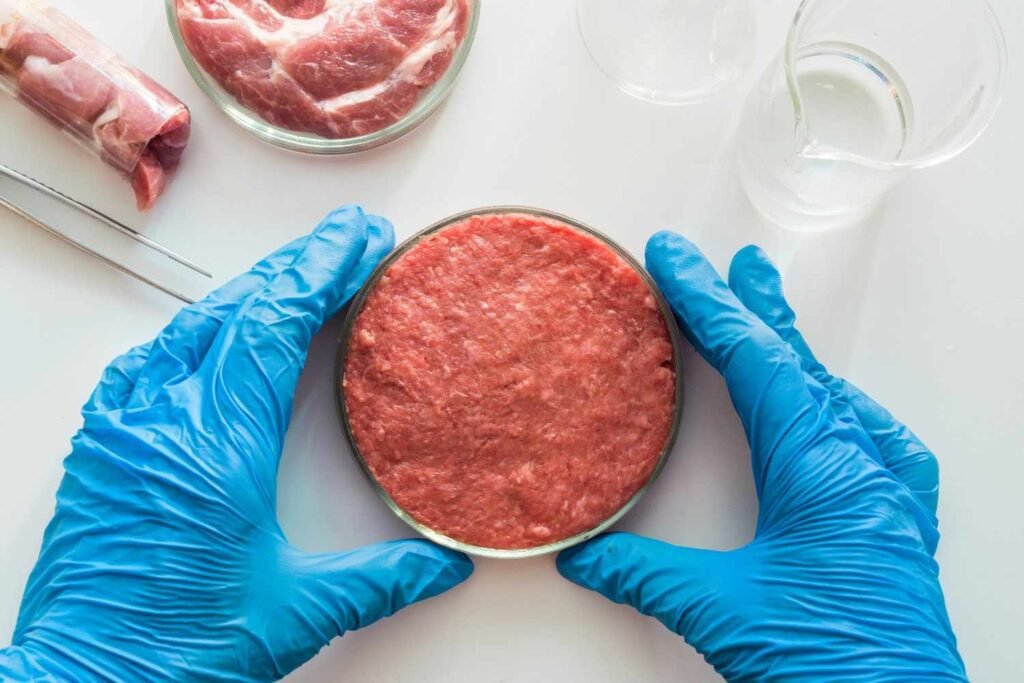
While the safety of lab-grown meat is largely supported by science, there are still some concerns that need to be addressed:
- Health Impacts: Long-term studies on the health effects of consuming lab-grown meat are still ongoing. Experts are looking for potential allergens or other health risks that may arise from consuming new growth factors and novel ingredients.
- Cost and Accessibility: Right now, lab-grown meat is expensive to produce, making it out of reach for many consumers. However, as technology improves, production costs are expected to decrease, making it more affordable in the future.
Frequently Asked Questions (FAQs)
1. Is lab-grown meat available in stores yet?
Yes, lab-grown meat is becoming available in select markets, especially in restaurants and specialty stores. Companies like UPSIDE Foods and GOOD Meat are already selling lab-grown chicken in a few U.S. cities.
2. Is lab-grown meat healthier than traditional meat?
Lab-grown meat is free from antibiotics and hormones, and it can be produced with a tailored nutritional profile. However, more research is needed to determine its long-term health effects.
3. Can vegans eat lab-grown meat?
Since lab-grown meat is made from animal cells, it may not align with traditional vegan principles. However, some vegans may consider it a more ethical option, as it eliminates animal slaughter.
4. How does lab-grown meat compare to traditional meat in terms of environmental impact?
Lab-grown meat is far more sustainable than traditional meat, requiring fewer resources and producing lower greenhouse gas emissions. It could be a key player in reducing the environmental footprint of meat production.
Should You Eat Lab-Grown Meat?
Is lab-grown meat safe to eat? The answer is yes! Regulatory bodies like the FDA and The Department of Agriculture (USDA) have approved lab-grown meat products for human consumption, making them a safe choice.
While ongoing research continues to explore potential risks and long-term health effects, the benefits of lab-grown meat—such as animal welfare, environmental sustainability, and healthier options—make it a compelling choice for the future.
As lab-grown meat becomes more affordable and accessible, it’s an exciting option for those looking to make more sustainable and ethical food choices.