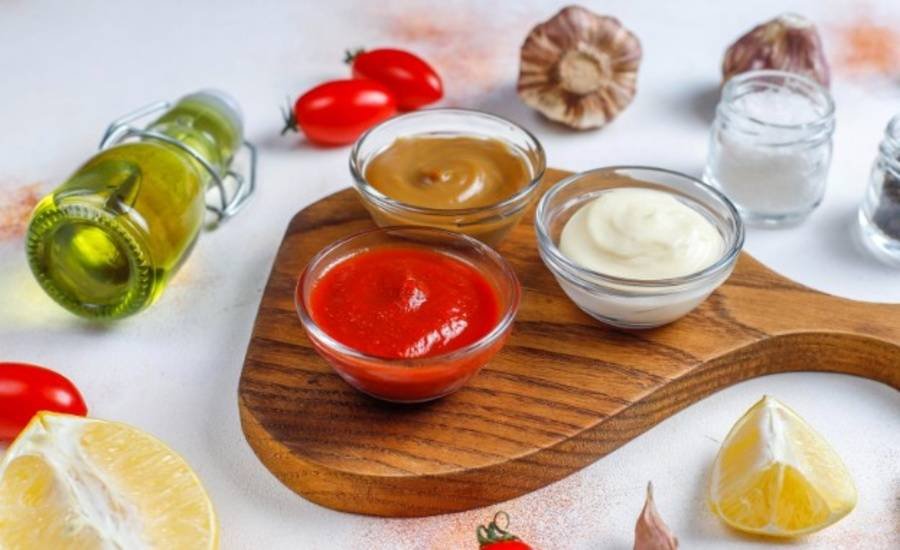
If there’s one thing I stopped buying regularly at the grocery store, it’s bottled sauce. Once I started making Homemade Sauces, I realized how much flavor (and money) I was leaving on the table. Store shelves are packed with options, but most are loaded with sugar, sodium, and preservatives. When I make sauces at home, I control everything—taste, texture, freshness, and cost.
I also noticed how quickly a simple meal could transform with just one fresh sauce spooned on top. What used to feel like a basic weeknight dinner now feels intentional, balanced, and far more satisfying without adding extra work.
Why Should You Make Sauces at Home Instead of Buying Them?
I used to grab marinara, ranch, teriyaki, and BBQ without thinking. Then I compared ingredient labels. The difference shocked me. When I make sauce myself, I skip stabilizers and excess sugar while boosting real flavor. Cost is another reason. A jar of premium sauce can run $5–$8.
The homemade version usually costs half that, especially if you cook regularly. Plus, I adjust flavors to match what I’m cooking instead of forcing my dinner to fit whatever’s in the jar. And let’s be honest—fresh sauce tastes better. It transforms simple grilled chicken or roasted vegetables into something restaurant-level.
What Are the Essential Sauce Categories Every Kitchen Needs?
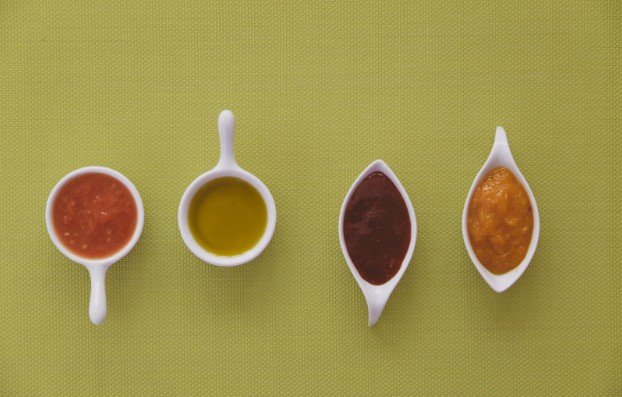
To keep things organized, I group sauces into five practical categories. This makes planning easier and helps with internal recipe rotation during the week.
Classic Pasta & Tomato-Based Sauces
- Marinara
- Creamy Alfredo
- Vodka sauce
- Arrabbiata
- Pesto
These anchor quick weeknight pasta dinners and homemade pizza nights.
Creamy & Dipping Sauces
- Garlic aioli
- Chipotle mayo
- Honey mustard
- Ranch dressing
- Blue cheese dressing
These are staples for burgers, wings, fries, and sandwiches.
BBQ & Grilling Sauces
- Smoky BBQ sauce
- Carolina mustard sauce
- Teriyaki glaze
- Honey garlic sauce
Perfect for backyard grilling season.
Healthy & Fresh Sauces
- Chimichurri
- Tzatziki
- Lemon tahini
- Greek yogurt herb sauce
These add brightness without heaviness.
Sweet & Dessert Sauces
- Chocolate sauce
- Salted caramel
- Berry compote
How Do You Build Flavor Like a Pro?
Once I learned this formula, sauce-making became automatic. Nearly all great sauces balance five core elements:
- Fat (butter, olive oil, cream)
- Acid (lemon juice, vinegar)
- Salt
- Sweet (honey, sugar, maple syrup)
- Heat (pepper, chili flakes)
When something tastes flat, I adjust one of these instead of randomly adding more salt. If it feels too heavy, I brighten it with acid. If it’s too sharp, I add a touch of sweetness. Texture also matters. To thicken, I reduce the sauce or use a cornstarch slurry. To loosen it, I add broth or reserved pasta water.
25 Go-To Homemade Sauces I Make on Repeat
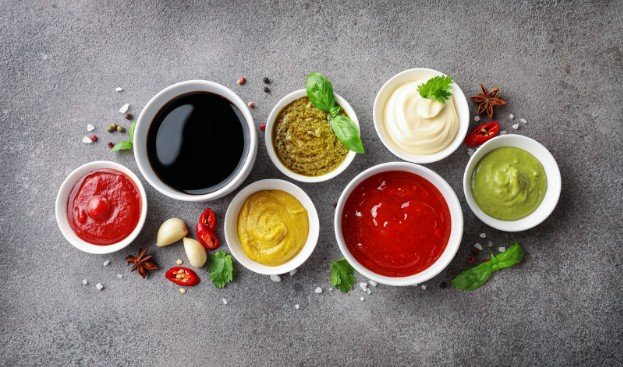
Here are the sauces I rotate through regularly. Each works across multiple meals:
- Quick Marinara
- Creamy Alfredo
- Spicy Vodka Sauce
- Basil Pesto
- Garlic Butter Sauce
- Classic BBQ
- Honey Garlic
- Teriyaki Glaze
- Buffalo Sauce
- Chipotle Mayo
- Ranch Dressing
- Blue Cheese Dip
- Honey Mustard
- Tzatziki
- Chimichurri
- Lemon Tahini
- Avocado Lime Sauce
- Peanut Sauce
- Soy Ginger Sauce
- Sweet Chili Sauce
- Tomato Cream Sauce
- Mushroom Cream Sauce
- Caramel Sauce
- Chocolate Sauce
- Berry Compote
Each one takes under 20 minutes. Most take under 10.
How Can You Meal Prep and Store Sauces Safely?
One thing that keeps me consistent is batch cooking. I make larger portions on Sunday and store them properly. Most cream-based sauces last 3–4 days in the refrigerator. Tomato-based sauces can last up to 5 days. Many freeze well for up to 3 months.
I use airtight containers and label everything clearly. For reheating, I use low heat and stir frequently to prevent separation. If needed, I add a splash of broth or milk to restore texture.
How Do You Make Homemade Sauces Step by Step?
Here’s the simple system I follow every time:
Step 1: Heat your fat in a saucepan over medium heat.
Step 2: Add aromatics like garlic or onion and cook until fragrant.
Step 3: Add your base (tomatoes, cream, soy sauce, etc.).
Step 4: Simmer and reduce to build depth.
Step 5: Balance flavors using acid, salt, sweet, or heat.
Step 6: Adjust thickness before serving.
This structure works whether you’re making pasta sauce or dipping sauce.
What Makes a Sauce Truly Stand Out?
Flavor layering is key. I taste multiple times during cooking instead of waiting until the end. Fresh herbs at the finish boost brightness. A small knob of butter at the end creates a glossy texture.
Serving suggestions also elevates the experience. I pair marinara with homemade meatballs, chimichurri with grilled steak, and honey garlic sauce with crispy chicken thighs. When you understand how to create Homemade Sauces, dinner stops feeling repetitive.
Frequently Asked Questions
1. How long do homemade sauces last in the fridge?
2. Can I freeze cream-based sauces?
3. Are homemade sauces healthier than store-bought?
4. What’s the easiest sauce to start with?
Final Takeaways
Learning to make Homemade Sauces changed the way I cook. Instead of relying on bottles, I rely on flavor balance and simple ingredients. It saves money, boosts quality, and keeps meals exciting without adding complexity.
Once you master the basic structure, you won’t need recipes for every variation—you’ll build them naturally. That’s when cooking becomes both efficient and creative.