For years, I thought healthy eating meant logging every bite. I downloaded apps, bought measuring cups, and tried to outsmart hunger with numbers. It worked for a while, but it never felt sustainable. The minute life got busy, tracking became the first habit to disappear.
What finally worked for me was structure without obsession. I stopped chasing calorie targets and started building meals visually. That shift changed everything. If you want a realistic way to eat well long term, learning How to Build a Balanced Plate Without Counting Calories gives you clarity without complexity.
This method works at home, at restaurants, in office lunches, and even during chaotic weeks. It’s simple enough to repeat daily but structured enough to actually improve your nutrition.
Why Counting Calories Isn’t the Only Way to Eat Well
Calorie counting can teach awareness, but it doesn’t automatically teach balance. I used to hit my calorie target while still feeling hungry because my meals lacked protein or fiber. Other days I stayed “under budget” but relied heavily on refined carbs that spiked and crashed my energy.
A balanced plate focuses on composition instead of numbers. When protein, fiber-rich carbs, produce, and healthy fats appear together, hunger stabilizes. Blood sugar remains steadier. Cravings decrease. Energy improves. The goal shifts from “How little can I eat?” to “How can I build a plate that works for me?”
What Is the Half–Quarter–Quarter Plate Method?
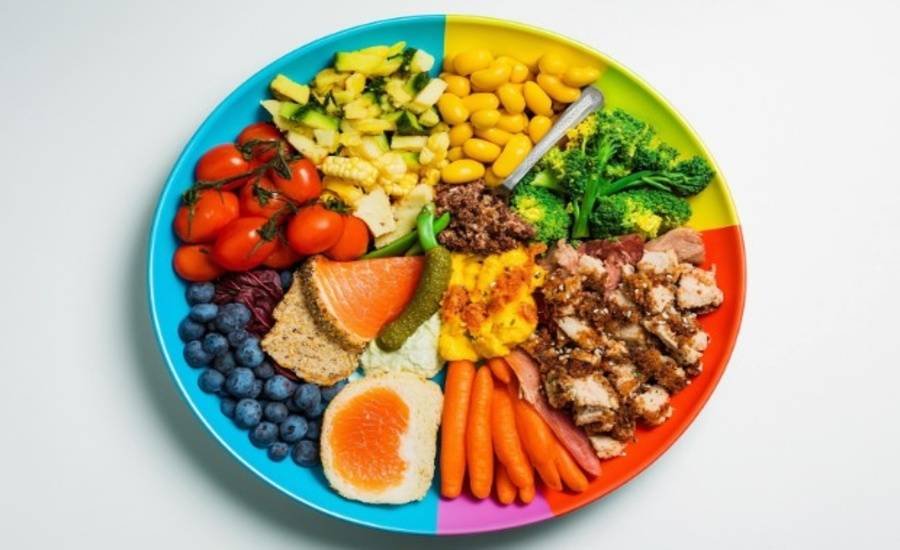
The structure is simple:
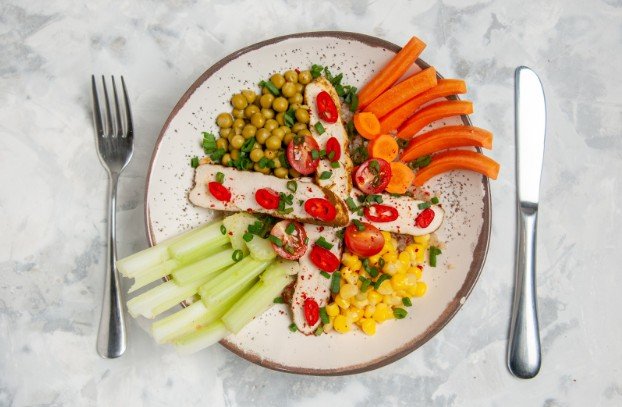
- Half the plate: vegetables and fruit
- One quarter: protein
- One quarter: carbohydrates
- Plus: a small portion of healthy fat
This approach mirrors common nutrition guidance and makes meal planning visual instead of mathematical. Half produce adds fiber and volume. Protein improves fullness and supports muscle maintenance.
Carbohydrates provide fuel and mental clarity. Healthy fats increase satisfaction and nutrient absorption. When I follow this layout consistently, I naturally feel satisfied without needing to track numbers.
What Actually Counts in Each Section?
This is where practicality matters. I don’t chase perfection—I chase consistency.
Produce (Half the plate)
Fresh, frozen, roasted, sautéed, raw—it all counts. Spinach, broccoli, peppers, zucchini, carrots, salads, berries, apples. Even simple side salads or frozen vegetable steam bags work on busy nights, especially when paired with simple home made sauces to add quick flavor.
Protein (Quarter plate)
Chicken breast, turkey, eggs, Greek yogurt, cottage cheese, beans, lentils, tofu, canned tuna, salmon, lean beef. I aim for a clear protein anchor at every meal.
Carbohydrates (Quarter plate)
Rice, quinoa, oats, whole-grain bread, potatoes, corn tortillas, beans. If I eat refined carbs like white pasta or a burger bun, I increase protein and vegetables to balance the meal.
Healthy fats
Olive oil, avocado, nuts, seeds, nut butter, a small portion of cheese. I include fats intentionally so I feel satisfied and avoid late-night cravings.
This visual structure makes How to Build a Balanced Plate Without Counting Calories easy to apply anywhere.
How Do You Control Portions Without Measuring?
I rely on visual cues instead of food scales:
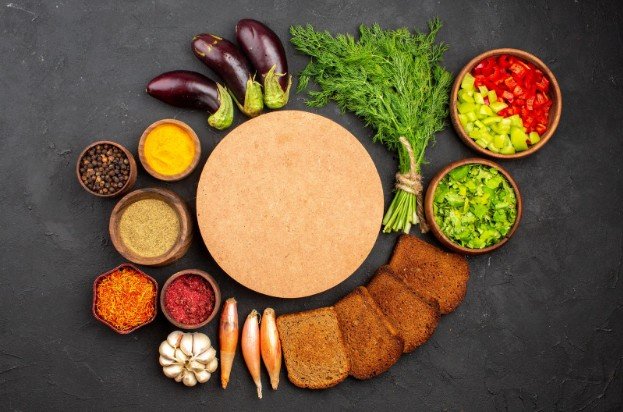
- Protein: about the size of my palm
- Carbohydrates: about the size of my fist
- Fats: about the size of my thumb
- Vegetables: fill remaining space generously
This approach keeps portions reasonable while allowing flexibility. On more active days, I increase carbs slightly. On lighter days, I emphasize vegetables and protein. It’s flexible, not rigid.
How to Build a Balanced Plate Without Counting Calories in Real Life
Let’s apply this to everyday situations.
Breakfast at home
Scrambled eggs + sautéed spinach + whole-grain toast + berries + drizzle of olive oil
Quick lunch
Turkey sandwich on whole-grain bread + side salad + apple
Dinner
Grilled salmon + roasted broccoli + rice + squeeze of lemon and olive oil
Fast-casual bowl
Base of rice and beans + grilled chicken + fajita vegetables + salsa + small scoop of guacamole. Even when meals aren’t “perfect,” the structure keeps them grounded.
What Happens When You Eat Out?
Restaurants often serve oversized portions. Instead of eliminating foods, I rebalance:
If pasta dominates the plate, I add a side vegetable.
If a burger and fries show up, I eat the protein first and add a salad next time.
If a meal feels carb-heavy, I make the next meal protein-forward.
This removes guilt and replaces it with simple adjustments.
How to Build a Balanced Plate Without Counting Calories Step by Step
Step 1: Start with vegetables or fruit.
This anchors the meal with fiber and volume.
Step 2: Add a clear protein source.
Make it visible and intentional, not an afterthought.
Step 3: Choose one carbohydrate source.
Keep it reasonable and balanced with the rest of the plate.
Step 4: Add healthy fat deliberately.
This improves flavor and fullness.
Step 5: Pause and scan the plate.
If one category overwhelms the others, rebalance before eating.
Following these five steps consistently is the practical way to apply How to Build a Balanced Plate Without Counting Calories in daily life.
Common Mistakes That Disrupt Balance
Skipping protein
This leads to early hunger and late-night snacking.
Over-restricting carbs
Carbs fuel activity and boost brain function. Removing them entirely often backfires.
Ignoring fats
Low-fat meals often lack staying power.
Waiting too long between meals
Extreme hunger reduces decision quality. Balance prevents these cycles before they begin.
Frequently Asked Questions
1. Can this method support weight loss?
Yes. Balanced plates improve fullness and help control portions naturally, which reduces overeating without strict calorie tracking.
2. Is this approach good for families?
Absolutely. It simplifies meal planning and allows everyone to eat the same meal while adjusting portions for adults and children.
3. What if I’m vegetarian?
Use protein-rich options like beans, lentils, tofu, eggs, Greek yogurt, and other plant-based proteins to keep meals balanced.
4. Is calorie counting ever necessary?
Final Thoughts
Healthy eating doesn’t require obsession. It requires repeatable structure. When I stopped chasing calorie perfection and focused on plate composition, my meals became simpler and more satisfying.
If you consistently practice How to Build a Balanced Plate Without Counting Calories, you build habits that survive busy schedules, restaurant meals, and real life. Half produce, solid protein, sensible carbs, intentional fats. Repeat often. That’s sustainable nutrition.