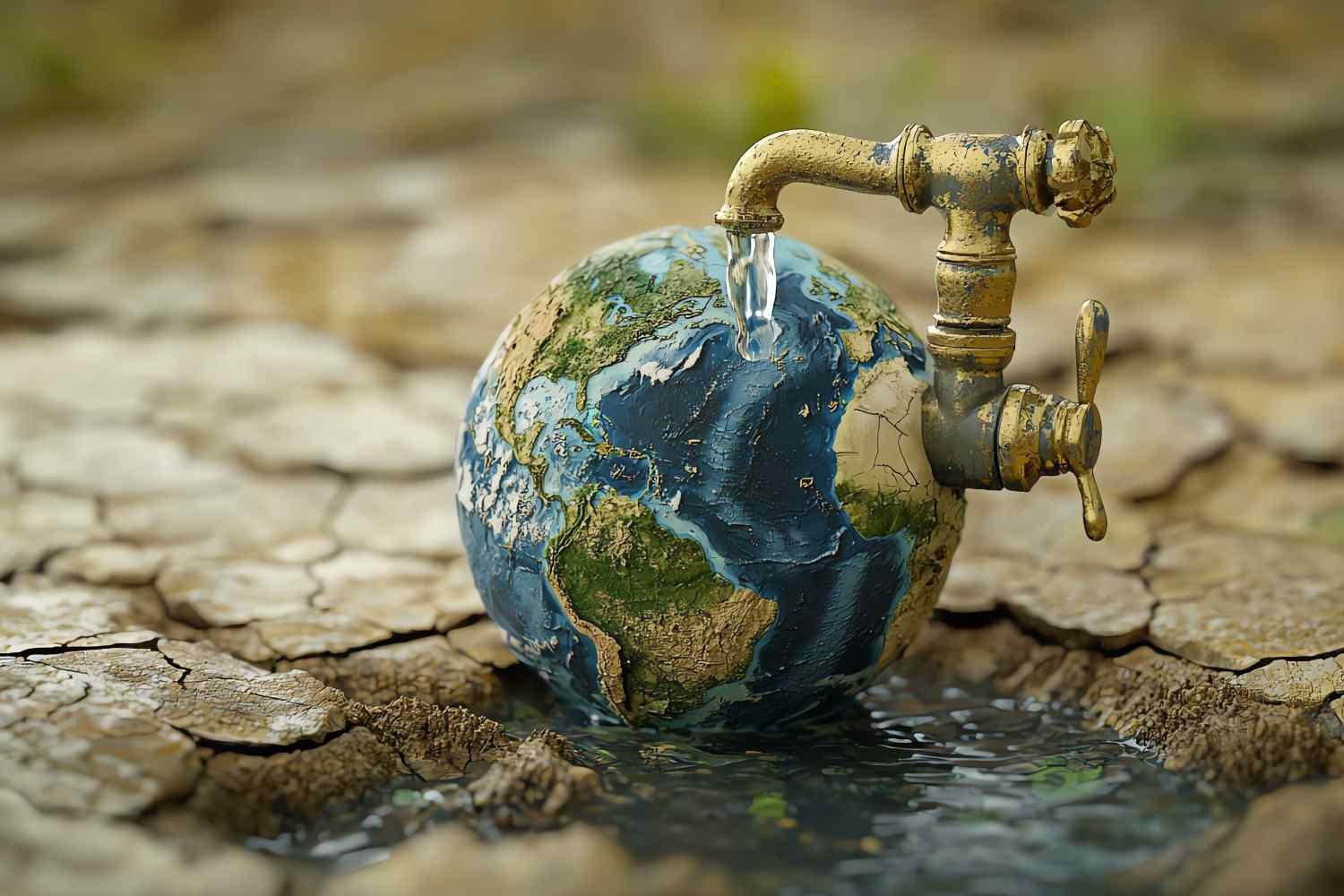
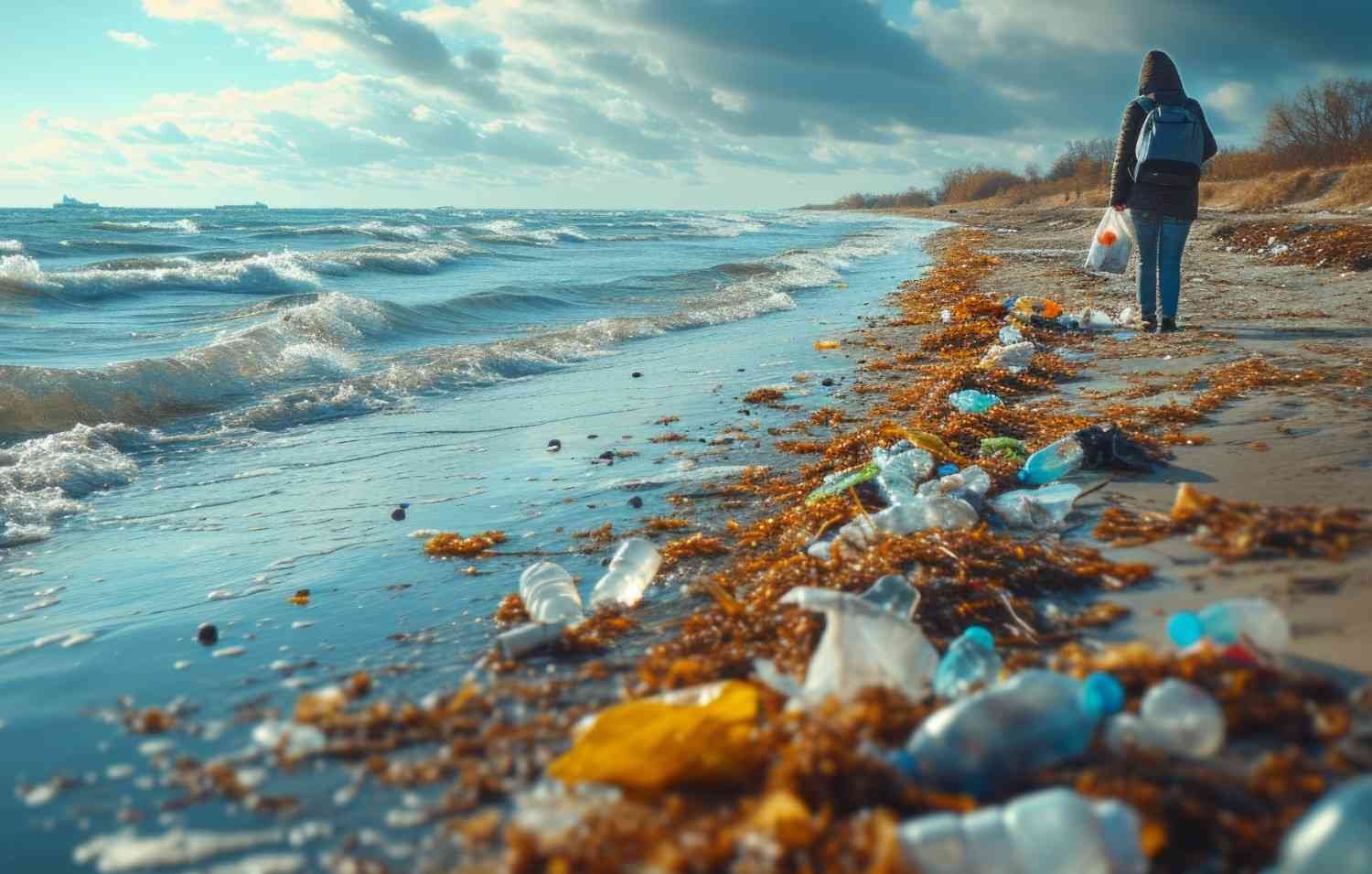
Did you know that water pollution is responsible for nearly 1.4 million deaths each year? From your morning glass of water to the lakes you visit on weekends, contaminated water can sneak into our daily lives in ways we don’t even realize.
The effects of water pollution on health are more severe than we may realize, whether it’s the gradual buildup of hazardous chemicals or the silent spread of waterborne illnesses.
In this blog, I’ll take you through the hidden dangers of polluted water, explore the health risks it poses, and give you the tools to protect yourself and your loved ones. Let’s dive into the shocking truth about how polluted water affects our health—and what you can do about it.
What Causes Water Pollution?
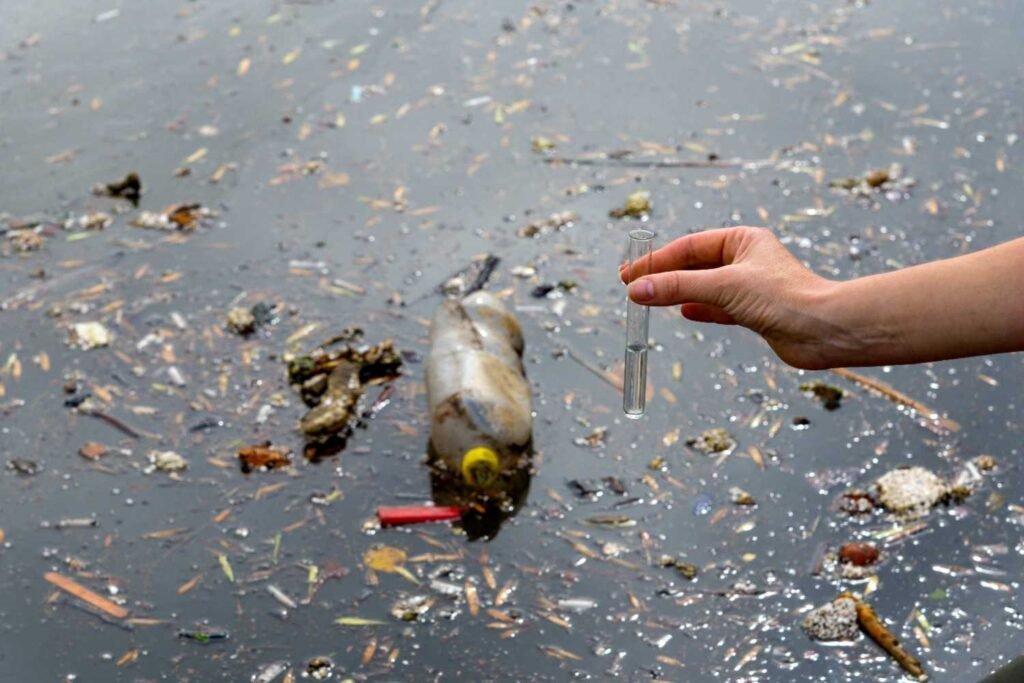
Water pollution is caused by the introduction of harmful substances into natural water bodies like rivers, lakes, and oceans. These pollutants can originate from human waste, industrial activities, agriculture, and household waste, all of which contribute to the deterioration of water quality. The pollutants commonly found in contaminated water include:
- Microbial contaminants (bacteria, viruses, and parasites)
- Chemical pollutants (heavy metals like lead and mercury, pesticides, and industrial chemicals)
- Physical contaminants (plastics and microplastics)
- Nutrient pollutants (like nitrates and phosphates)
Each of these pollutants poses serious health risks, which can range from acute infections to long-term chronic diseases. It’s essential to understand both the immediate and long-term impacts of water pollution on health.
Immediate Health Impacts: Waterborne Diseases
Waterborne diseases, transmitted through contaminated water, are among the most common and dangerous health risks associated with water pollution. According to the World Health Organization (WHO), diarrheal diseases alone cause over 1.7 billion cases annually, primarily affecting children under five.
Here are some of the key waterborne diseases linked to polluted water:
Gastrointestinal Infections
Diseases like cholera, typhoid fever, and dysentery are spread through the ingestion of water contaminated with fecal matter. These infections can cause severe diarrhea, dehydration, and in extreme cases, death.
Parasitic Infections
Contaminated water can also carry parasites, leading to diseases like schistosomiasis (contracted through skin contact) and intestinal worms like hookworms, which lead to malnutrition and stunted growth in children.
Vector-Borne Diseases
Stagnant water often serves as a breeding ground for disease-carrying insects. Polluted water sources can lead to outbreaks of diseases like malaria, dengue fever, and Japanese encephalitis, all of which are transmitted by mosquitoes.
Diarrheal Diseases
Diarrheal diseases, particularly rotavirus, E. coli, and hepatitis A, continue to be a major public health challenge in the U.S. The Centers for Disease Control and Prevention (CDC) has reported that diarrheal diseases are among the top three causes of death in children under five globally.
Long-Term Chronic Health Effects: Chemical Pollutants
While waterborne diseases have immediate health effects, long-term exposure to chemical pollutants in water can result in permanent health damage. Chemical pollutants, such as heavy metals (e.g., arsenic, mercury, and lead), pesticides, and industrial waste, can accumulate in the body over time, leading to serious diseases and conditions.
Cancer Risk

Prolonged exposure to arsenic in drinking water has been linked to skin, lung, and bladder cancer. Other chemicals, such as cadmium and nitrates, have also been associated with an increased risk of colorectal and gastric cancers.
Organ Damage
Heavy metals like lead and mercury can target vital organs such as the kidneys, liver, and heart, leading to conditions like kidney failure, liver cirrhosis, and cardiovascular diseases.
Neurological Damage
Mercury poisoning has been linked to neurological disorders such as Minamata disease, which affects the central nervous system and can cause severe cognitive impairment. Lead exposure, especially in children, can result in learning disabilities, reduced IQ, and behavioral problems.
Reproductive and Hormonal Issues
Endocrine-disrupting chemicals (EDCs) such as bisphenol A (BPA) and phthalates can interfere with hormone production and cause infertility, early-onset menopause, and low birth weight in infants.
Who is Most at Risk?
While everyone is at risk of the health impacts of water pollution, certain groups are particularly vulnerable:
1. Children
Children’s developing immune systems and smaller body size make them more susceptible to the effects of waterborne diseases and chemical pollutants. Long-term exposure can cause stunted growth, learning disabilities, and immunosuppression.
2. Pregnant Women
Pregnant women exposed to contaminated water may face complications such as miscarriage, preterm birth, and birth defects. Exposure to heavy metals and endocrine-disrupting chemicals can also affect fetal development.
3. The Elderly
Older adults often have weaker immune systems, which makes them more susceptible to infections and long-term health effects from toxic water pollutants.
4. Low-Income Communities
Low-income communities, particularly those without access to modern water treatment systems, are at higher risk of water pollution-related diseases. These communities are often located near industrial sites or agricultural fields where contamination is more prevalent.
How to Protect Yourself from Water Pollution
While water pollution is a significant issue, understanding the impact of water pollution on health can empower you to take immediate action. There are several steps you can take to protect yourself and your family:
1. Install a Water Filter
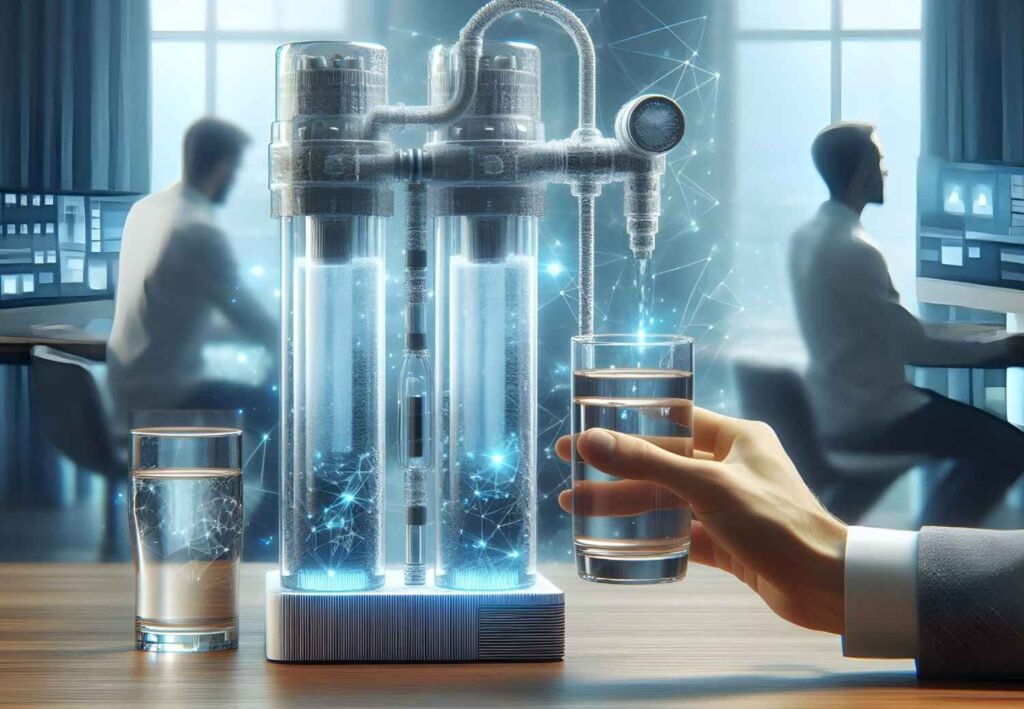
Use a certified water filter to remove contaminants like lead, chlorine, and pesticides. Choose a filter that’s capable of addressing the specific pollutants in your area.
2. Stay Informed
Check local water quality reports to ensure that your drinking water meets safety standards. Many local water suppliers offer free or low-cost testing kits to help you assess the quality of your water.
3. Advocate for Cleaner Water
Support policies that improve water treatment and protect water sources. Engage with local organizations and government officials to demand better water quality and cleaner environments.
4. Reduce Plastic Waste
Minimize your use of single-use plastics, which contribute to microplastic pollution in water. Recycle properly and use eco-friendly alternatives.
Frequently Asked Questions (FAQs)
1. What are the most common diseases caused by water pollution?
The most common diseases caused by water pollution include cholera, typhoid fever, diarrhea, and schistosomiasis. These are typically transmitted through contaminated water.
2. How can I check if my water is contaminated?
You can request a water quality report from your local utility or have your water tested by a certified laboratory to check for contaminants like lead, bacteria, and chemicals.
3. Is bottled water safer than tap water?
Bottled water is generally safe, but it can be expensive and harmful to the environment. Tap water in the U.S. is regulated by the EPA and is often just as safe, depending on your location.
Protect Your Health and the Environment
The impact of water pollution on health is significant, affecting millions each year. From waterborne diseases to long-term chronic conditions, polluted water poses a serious risk to public health.
However, by taking proactive steps such as installing water filters, staying informed about water quality, and advocating for cleaner water, you can help protect yourself and your loved ones.