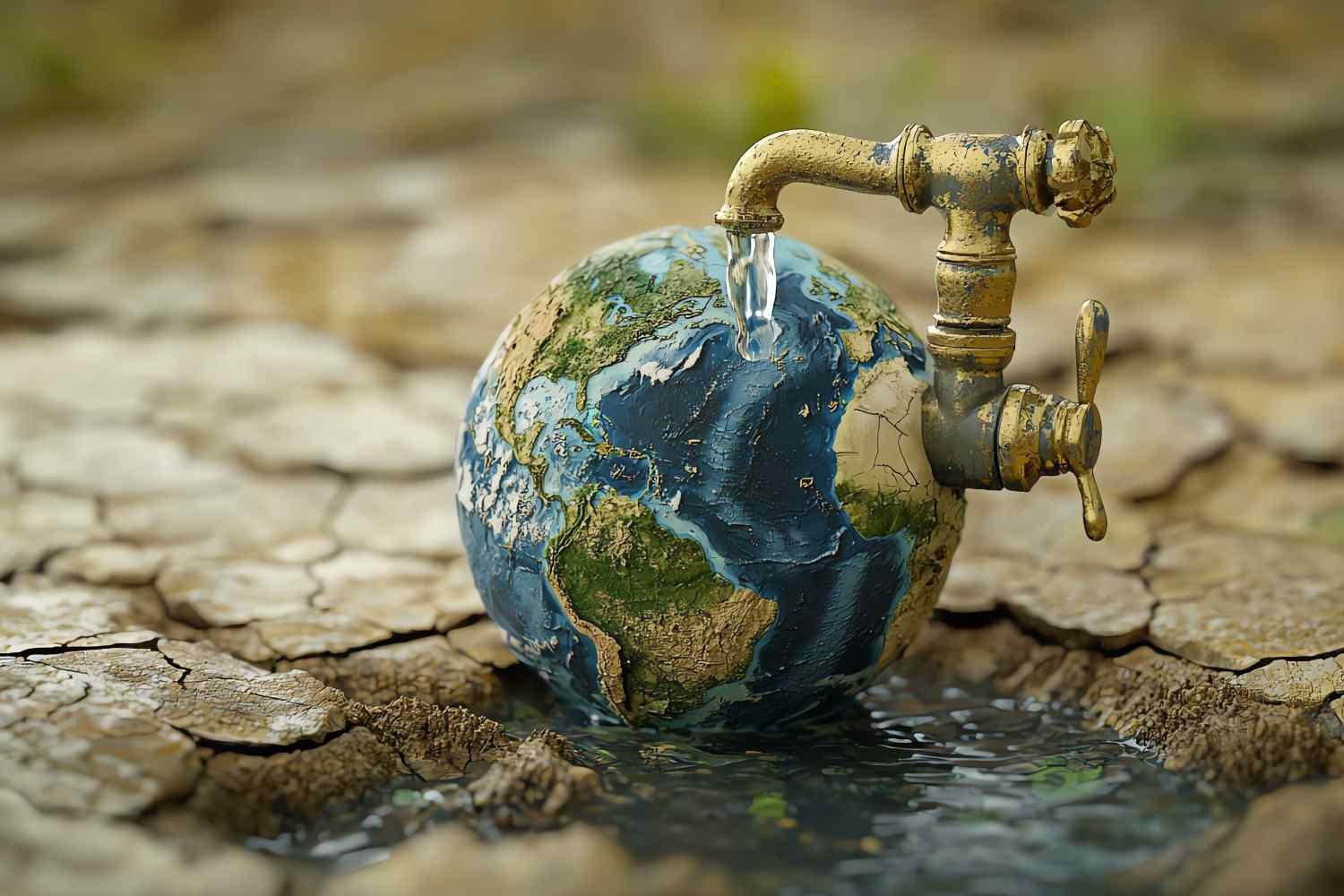
Climate change isn’t just a future problem — it’s here, and it’s disrupting everything from the weather to the water we rely on every day. As global temperatures rise, the effects of climate change on water supply are becoming impossible to ignore.
From increasing droughts in the West to flooding on the East Coast, our water resources are under siege. But how exactly does climate change affect our water, and what can we do about it?
In this blog, I’ll break down the science behind these disruptions, explore the impact on water quality and availability, and share actionable solutions to help us safeguard this precious resource for the future.
Impact of Climate Change on Water Quantity and Availability
Water availability in the U.S. is increasingly threatened by the effects of climate change on water supply. Rising global temperatures are exacerbating existing issues and creating new challenges that affect how much fresh water is accessible.
Glacial Melt and Snowpack Loss
Warming temperatures are causing rapid glacial melt and a significant reduction in snowpack in critical regions like the Sierra Nevada mountains.
Snowpack serves as a natural water reservoir, slowly releasing water into rivers and reservoirs during warmer months. Without it, regions reliant on snowmelt, such as California and Colorado, face lower river flows during dry seasons. This situation increases the risk of flooding in the short term but leads to long-term water shortages.
Increased Evaporation Rates
Higher temperatures accelerate evaporation from soil, lakes, and reservoirs, drying up surface water even in areas where precipitation is increasing. This phenomenon, referred to as “evaporation paradox,” is particularly concerning in regions like the Midwest and the Southwest, where water is already scarce.
Groundwater Depletion
As surface water becomes more unreliable, the reliance on groundwater grows, leading to over-extraction and rapidly declining water tables. In parts of California, for example, farmers are tapping into already-depleted aquifers to irrigate crops, creating a vicious cycle that is difficult to reverse.
The U.S. Environmental Protection Agency (EPA) has highlighted the risks of groundwater depletion, predicting that many U.S. cities could run out of water if these trends continue.
Water Whiplash: Extreme Droughts and Flooding
Climate change is causing more extreme weather events, with regions experiencing both severe droughts and intense floods, sometimes in quick succession. This is referred to as “water whiplash” and disrupts communities and ecosystems alike. In California, for instance, residents may face water shortages one year, only to be hit by catastrophic flooding the next.
Degradation of Water Quality: A Hidden Crisis
While water availability is a major concern, the effects of climate change on water supply also extend to water quality. Rising temperatures, flooding, and other climate impacts are degrading water sources across the U.S.
Contamination from Flooding
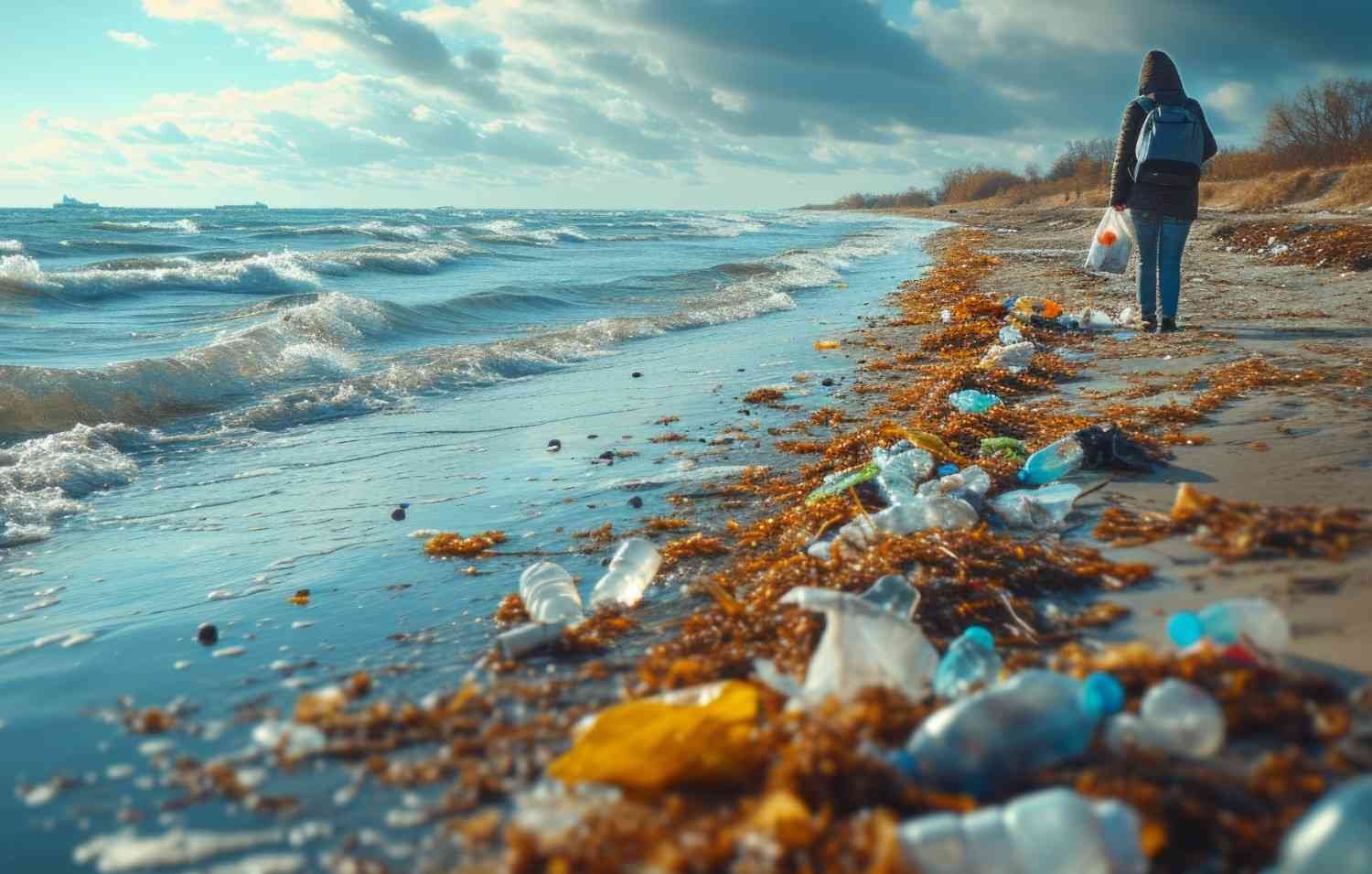
Heavy rainfall and flash floods wash pollutants, agricultural chemicals, and untreated sewage into freshwater sources. This has serious public health implications, especially in areas where water treatment infrastructure is old or inadequate.
Cities like New Orleans and Houston are particularly vulnerable, as rising floodwaters overwhelm aging sewage systems, contaminating water supplies.
Saltwater Intrusion in Coastal Regions
As sea levels rise due to climate change, saltwater intrusion into freshwater aquifers is becoming a significant problem for coastal cities. In places like Miami and New Orleans, rising sea levels are pushing saline water into freshwater supplies, rendering them undrinkable for millions. The Mekong Delta and parts of India’s coastal regions are also facing similar threats.
Harmful Algal Blooms
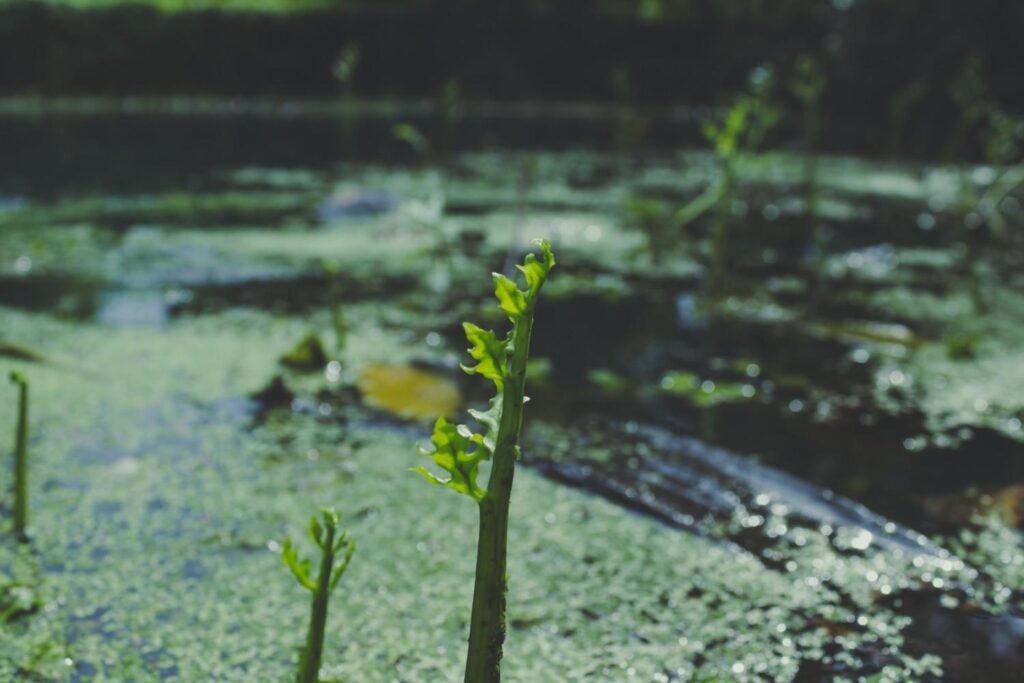
Warmer water temperatures combined with nutrient runoff from agricultural lands foster the growth of harmful algal blooms. These blooms produce toxins that can kill fish, contaminate drinking water, and harm local economies. The EPA reports an increase in the frequency and severity of harmful algal blooms in U.S. water bodies, posing risks to human health and wildlife.
Stress on Water Infrastructure and Management
In addition to these natural challenges, the effects of climate change on water supply are putting immense pressure on water infrastructure in the U.S. Aging pipes, treatment plants, and other systems are increasingly struggling to meet rising demand and deal with more extreme weather events.
Increased Water Demand
As temperatures rise, demand for water also increases, especially in the summer months. Cities like Phoenix and Las Vegas face extreme heat, driving up the need for water for human consumption, cooling, and irrigation.
Energy-intensive cooling at power plants adds to this burden, making it even harder to meet the increasing demand without stretching water resources thin.
Infrastructure Failure
Extreme weather events such as floods, hurricanes, and wildfires can physically damage water treatment plants, wells, and distribution networks. For example, when Hurricane Katrina hit New Orleans, it caused widespread destruction to the city’s water infrastructure. Similarly, wildfires in California have been known to damage critical water facilities.
Economic Costs of Water Scarcity
Climate-induced water scarcity isn’t just a local issue; it’s also an economic problem. The U.S. Environmental Protection Agency has noted that water shortages and quality degradation could result in losses to the U.S. economy, potentially lowering GDP by up to 6% by mid-century.
Agricultural production, energy generation, and even industrial processes are all heavily dependent on water, and a disrupted water supply can have a cascading effect on these sectors.
Regional Vulnerabilities: Where the U.S. Faces the Most Risk
Climate change does not affect all regions equally. Different areas of the U.S. face distinct threats to their water supply, depending on local geography and climate conditions.
| Region | Primary Climate Threat to Water |
| Arid/Semi-Arid | Prolonged droughts and extreme evaporation |
| Mountainous | Glacial retreat and earlier, shorter spring runoffs |
| Coastal | Sea-level rise and saltwater contamination of aquifers |
| Tropical | Erratic monsoons and high-intensity flooding |
Regions like California, Arizona, and Nevada are particularly vulnerable to droughts and evaporation, while coastal states like Florida and Louisiana are grappling with saltwater intrusion as sea levels rise. The Northeast and Great Lakes regions face more intense flooding and altered precipitation patterns, further complicating water management.
Solutions and Adaptation: Protecting Our Water Future
While the challenges are significant, there are steps we can take to address the effects of climate change on water supply and ensure sustainable water management for future generations.
Invest in Water Conservation
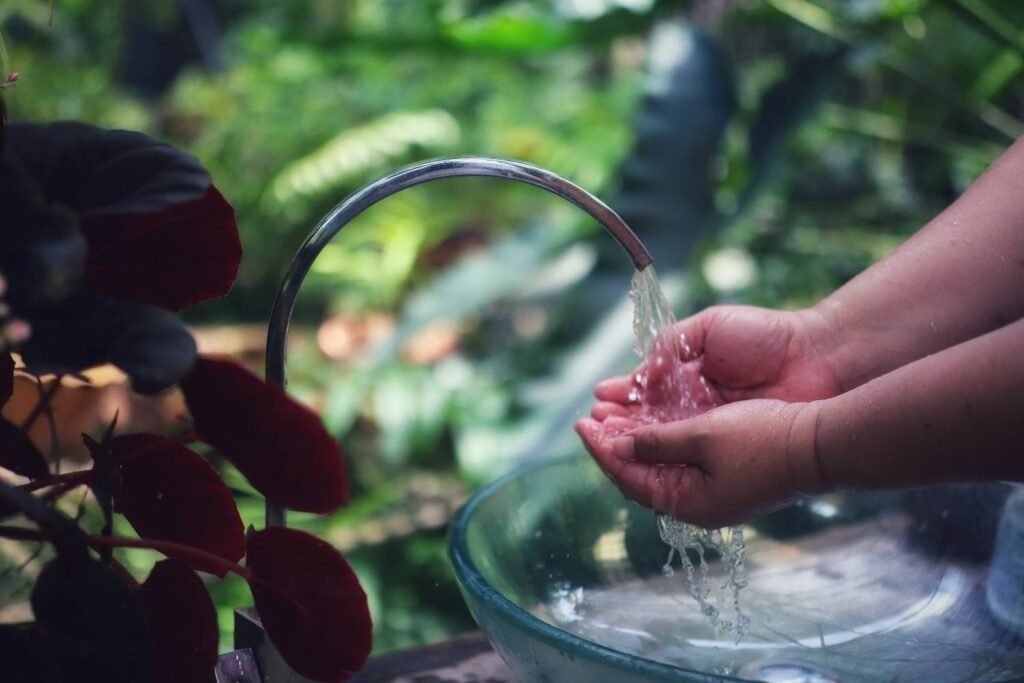
One of the most effective ways to manage water resources is by adopting better conservation practices. This includes everything from reducing household water usage with low-flow appliances to improving irrigation systems in agriculture.
Technologies like drip irrigation and rainwater harvesting are becoming essential in regions with limited water availability.
Strengthen Water Infrastructure
Upgrading and strengthening water infrastructure is critical. The U.S. needs to invest in more climate-resilient systems that can withstand extreme weather events.
The American Society of Civil Engineers has called for greater funding to modernize water treatment plants, stormwater management systems, and pipelines.
Address the Root Cause: Climate Mitigation
To secure the future of our water supply, addressing the root cause — climate change — is essential. Reducing carbon emissions through renewable energy adoption, carbon sequestration, and sustainable land use practices will help slow the rate of temperature rise and mitigate its effects on water resources.
Frequently Asked Questions (FAQs)
1. How is climate change affecting water availability?
Climate change leads to shifting precipitation patterns, more intense evaporation, and glacial melt, reducing available freshwater sources and increasing the frequency of droughts and floods.
2. What are the effects of climate change on water quality?
Climate change contributes to water contamination through flooding, saltwater intrusion, and algal blooms. Rising temperatures and extreme weather events worsen these problems.
3. How does climate change impact U.S. agriculture?
Water scarcity, worsened by climate change, is a major challenge for U.S. agriculture. Decreasing river flows, groundwater depletion, and more frequent droughts threaten crop irrigation and livestock watering.
4. What can we do to conserve water in light of climate change?
Implementing water-efficient technologies, upgrading infrastructure, and adopting sustainable water management practices can help conserve water in the face of climate change.
Securing Our Water Future
The effects of climate change on water supply are undeniable, and the need for action is urgent. From droughts to flooding, our water resources are at risk. But by embracing conservation, upgrading infrastructure, and tackling climate change head-on, we can protect our water for future generations.
The time to act is now — let’s secure a sustainable water future together.