

When I look at the fashion market right now, I see a real opportunity for new founders who are willing to think strategically. The industry is evolving fast, and smaller brands can now compete with bigger names using smarter tools and positioning. I created this Fashion entrepreneurship hub blog to share what actually works in today’s environment.
It is not about trends alone—it is about building a system that drives real results. What excites me the most is how accessible the space has become. With the right approach, even a small idea can turn into a scalable brand without massive upfront investment.
Start with a business model, not just a mood board
Many people jump straight into design, colors, and branding ideas. I have learned that this approach often leads to confusion and fashion waste tactics. Before doing anything else, I always focus on the business model. Understanding how your brand will make money is what shapes everything else.
Pick a niche that people understand instantly
Trying to target everyone is one of the fastest ways to fail in fashion. A focused niche helps your brand become memorable and easier to market. When someone visits your brand, they should immediately understand who it is for and why it exists. That clarity is what drives attention and conversions.
Build a brand identity that converts
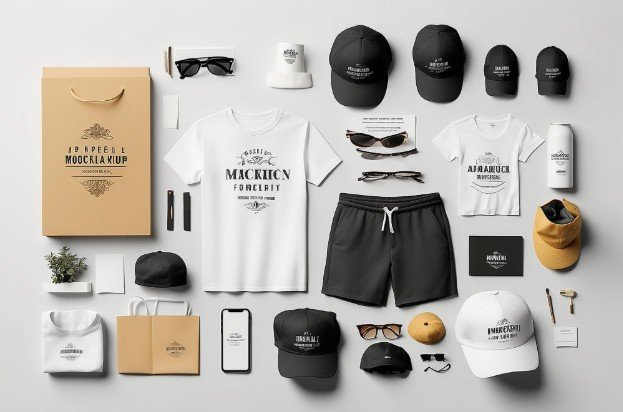
A strong brand is not just about visuals—it is about trust. Customers need to feel confident before they decide to buy from a new label. Your identity should clearly communicate your value, your audience, and your uniqueness. When everything feels aligned, buying becomes easier.
Keep product development lean at the start
I have seen many founders invest heavily in large collections too early. This often creates unnecessary pressure and inventory issues. Starting small allows you to test what works. It gives you flexibility to adjust based on real customer feedback instead of assumptions.
Sourcing and production decide your margins
Production is one of the most critical decisions you will make. Small differences in cost and quality can have a major impact on profitability. Choosing the right supplier is not just about price. It is about reliability, communication, and long-term scalability.
Price for profit, not for competition
Pricing based only on competitors is a mistake I see too often. It may look competitive, but it can quietly damage your margins. Instead, I always calculate pricing based on total costs and desired profit. This ensures the business remains sustainable as it grows.
Your website must feel built for buying
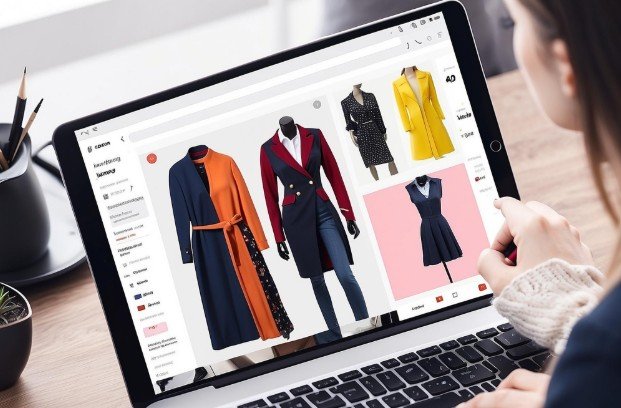
A visually appealing website is important, but it is not enough. The real goal is to make the buying process smooth and effortless. Every page should guide the customer clearly. When there is no confusion, conversion rates naturally improve.
Inventory control is your hidden advantage
Inventory can either support your growth or slow it down significantly. Managing it properly is one of the most underrated skills in fashion. That is why Fashion entrepreneurship hub thinking focuses on controlled inventory. Small, data-driven decisions protect your cash flow.
Marketing should create demand before ads
Many brands rush into paid ads without building demand first. This usually leads to poor returns and wasted budget. I prefer starting with content, storytelling, and community. Once people are interested, ads become much more effective.
Sustainability is becoming expected
Today’s customers are more aware and more selective. They want to understand what they are buying and where it comes from. Being transparent about your process builds trust. Clear communication is far more powerful than vague claims, just like stress management for students requires clarity, consistency, and honest self-awareness to be effective.
Legal setup still matters

Creative work often takes priority, but the business side cannot be ignored. Setting things up properly from the start prevents future issues. Having the right structure, policies, and systems in place creates a strong foundation for long-term growth.
Common mistakes to avoid
Launching too many products
Too many options can overwhelm customers and weaken your brand focus. A smaller, clearer product range is easier to market and manage.
Ignoring margins
High sales numbers do not always mean profitability. Understanding your costs is essential for sustainable growth.
Weak product pages
Customers rely on details before making a purchase. Lack of information can lead to hesitation and lost sales.
Overbuying inventory
Excess stock ties up money and increases risk. Smart inventory decisions keep your business flexible.
Copying competitors
Blending in makes it harder to stand out. A unique identity helps build stronger brand recognition.
Skipping marketing strategy
Growth does not happen by accident. A clear marketing plan is necessary from day one.
Frequently Asked Questions
1. What is fashion entrepreneurship?
Fashion entrepreneurship is the process of building a brand that combines design, production, marketing, and sales. It involves both creativity and business strategy working together.
2. How much does it cost to start?
The cost varies depending on your approach and scale. A lean start can be much more affordable than a large launch.
3. Do I need a business plan?
Yes, a business plan helps you understand your direction and financial goals. It also keeps your decisions structured and intentional.
4. What is the fastest way to get sales?
Focus on a strong product and a clear audience first. Then use content and community to build demand before scaling.
Final Thoughts
When I reflect on what truly builds a successful fashion brand, it always comes down to clarity and execution. Ideas are important, but structure is what turns them into results. Following a Fashion entrepreneurship hub approach helped me see everything as one connected system.
When branding, pricing, inventory, and marketing align, growth becomes far more predictable and sustainable. If you stay focused and build with intention, you are not just launching a brand—you are building something that can last.