
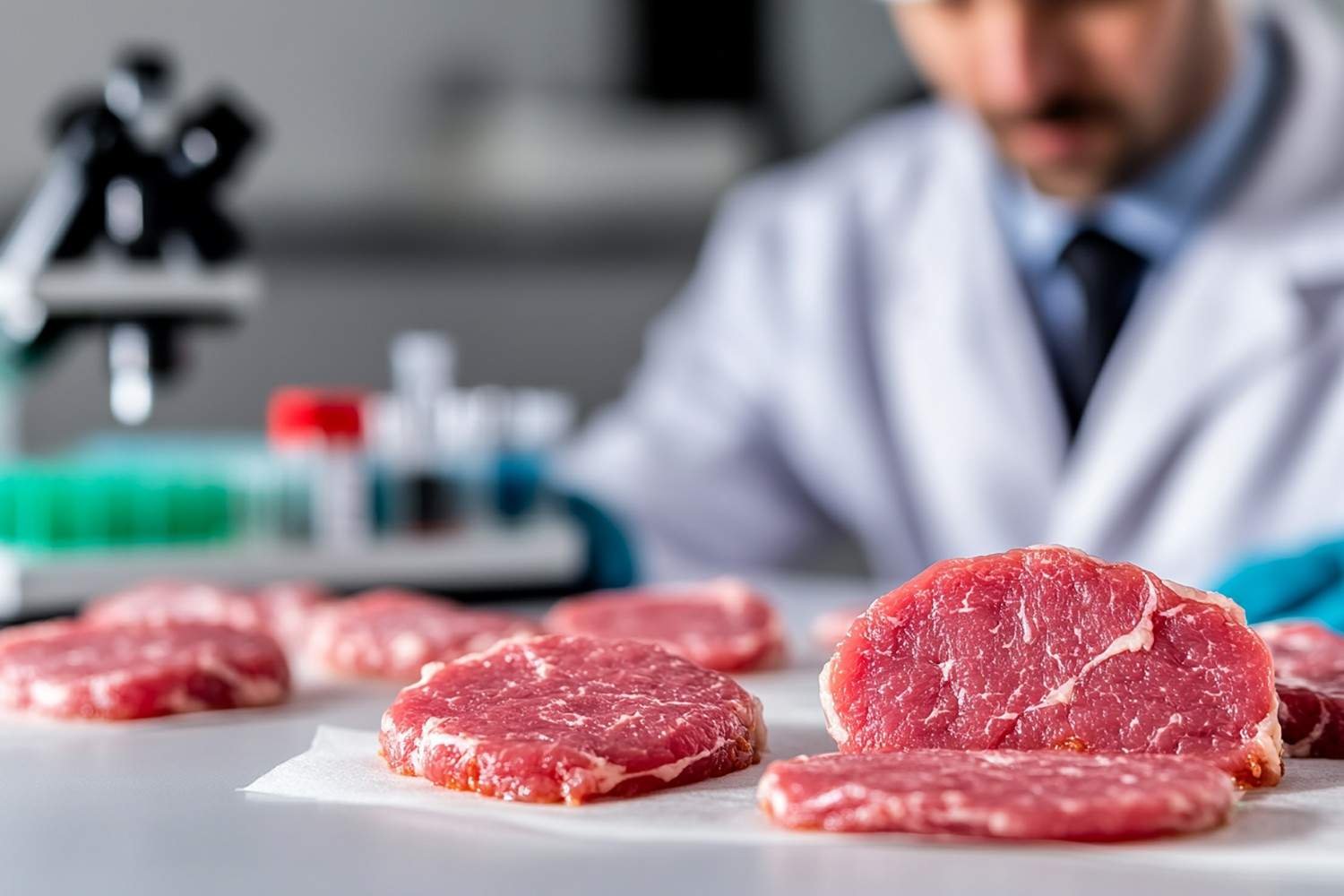
Imagine a world where meat is produced without slaughtering animals—a technology that promises to revolutionize food production, reduce our environmental footprint, and address animal cruelty.
Sounds like a dream come true, right? This is the promise of lab-grown meat, or cultured meat, which has been hailed as the future of sustainable food. But is it really as ethical as it seems?
Despite its potential, ethical concerns about lab-grown meat are still at the forefront of heated debates. From the use of animal-derived products to the psychological aversion many people feel toward something that doesn’t come from nature, there are plenty of issues still left to consider.
So, let’s dive deeper into the ethical minefield of lab-grown meat and explore whether it truly fulfills its promise of a cruelty-free future.
What Is Lab-Grown Meat?

Lab-grown meat, also known as cultured meat or cell-based meat, is produced by cultivating animal cells in a controlled environment, without the need to raise and slaughter animals. The process involves extracting a small sample of cells from an animal and using bioreactors to grow these cells into muscle tissue that resembles the texture and taste of traditional meat.
While it’s marketed as a solution to the ethical issues associated with factory farming, several ethical concerns about lab-grown meat still surround the production of lab-grown meat.
1. Animal Welfare: The Ongoing Debate
Is Lab-Grown Meat Truly Cruelty-Free?
A primary ethical concern about lab-grown meat for many people is whether it can truly be considered cruelty-free. Supporters of lab-grown meat argue that it eliminates the need for slaughtering animals, but the reality is more complex.
Fetal Bovine Serum (FBS), historically used in the production of cultured meat, is extracted from the fetuses of pregnant cows that are slaughtered for this purpose.
Although companies like UPSIDE Foods are moving toward serum-free alternatives, the industry’s reliance on slaughterhouse byproducts remains a major point of contention for vegans and animal rights advocates.
Moreover, producing lab-grown meat still involves taking cells from living animals, often through biopsies, which critics argue constitutes a form of animal exploitation. Even though no animals are killed for lab-grown meat, the animals used for cell collection are often kept in captivity, raising further welfare questions.
2. “Unnaturalness” and Psychological Aversion
Why Do Many People Reject Lab-Grown Meat?
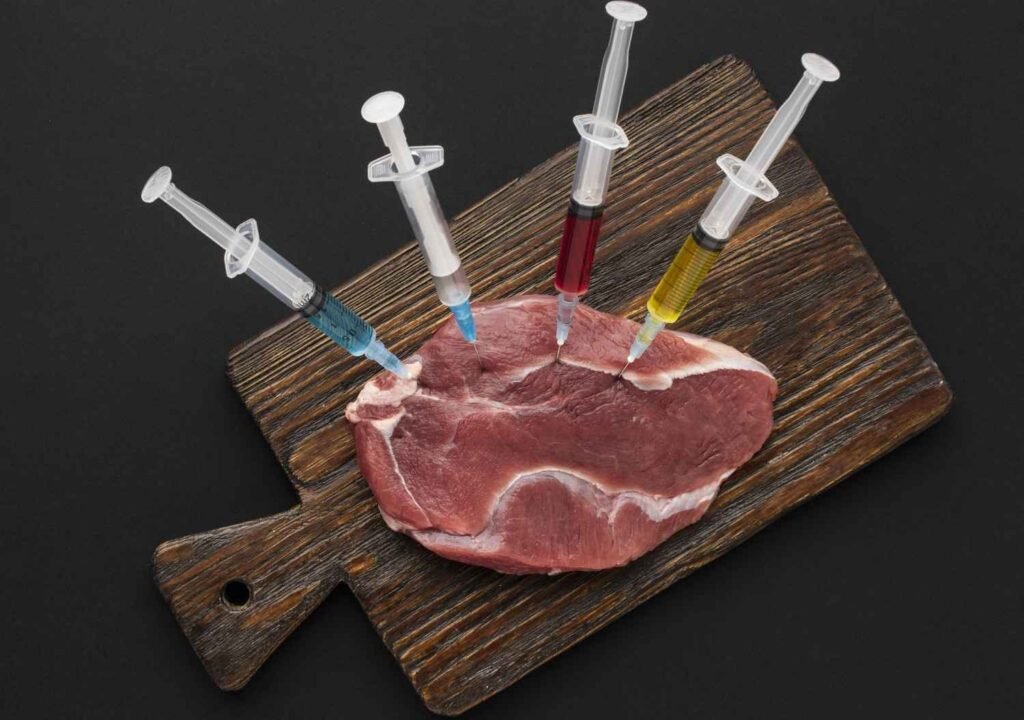
One of the key ethical concerns about lab-grown meat in the U.S. revolves around the psychological aversion many people feel toward lab-grown meat. Naturalness bias is a term used to describe the psychological discomfort that people often feel when confronted with something they perceive as artificial or unnatural.
For many Americans, lab-grown meat challenges deeply held beliefs about food purity, authenticity, and what constitutes “real” meat. This hesitation often leads consumers to question whether lab grown meat is safe?, even when scientific studies and regulators indicate that cultivated meat can meet strict food safety standards.
Research indicates that individuals who prioritize moral purity are more likely to reject lab-grown meat, even when they acknowledge its safety and sustainability. This phenomenon is a significant barrier to the widespread adoption of lab-grown meat, particularly in a country where food traditions and naturalness are highly valued.
3. Socio-Economic Impacts: Who Benefits?
Could Lab-Grown Meat Harm Rural Communities?
As lab-grown meat technology advances, there are growing concerns about its impact on rural farming communities. Critics argue that a shift from traditional meat production to lab-grown alternatives could devastate these communities, leading to job losses and the erosion of rural livelihoods.
In addition, there is a concern that the rise of FoodTech companies, which dominate the lab-grown meat industry, could lead to a corporate monopoly over food production. As these large companies gain more control, questions about food sovereignty and transparency arise. Would a few major corporations control what we eat? Would smaller local farmers be left behind?
Finally, the equity of lab-grown meat is also a concern. Currently, lab-grown meat is expensive to produce, making it more of a luxury item. This could result in social divisions where only the wealthy can afford to purchase lab-grown meat, leaving lower-income communities behind.
4. The “Moral Circle”: Ethical Slippery Slopes
Can Lab-Grown Meat Lead to Dangerous Ethical Breaches?
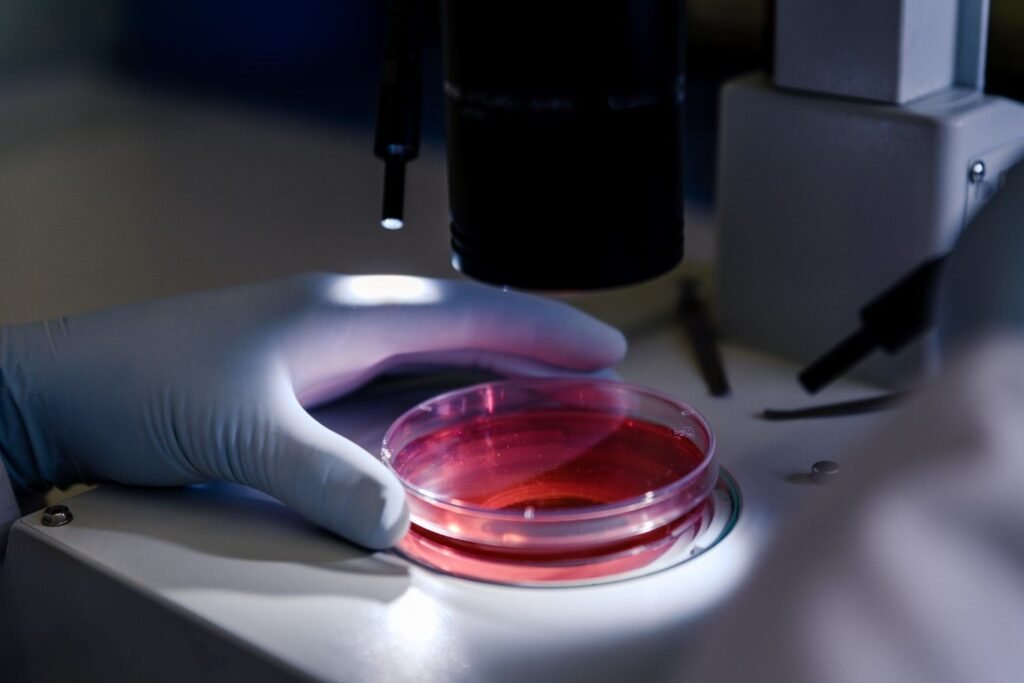
Another ethical concern about lab-grown meat involves the potential expansion of the “moral circle.” This term refers to the idea that lab-grown meat technology could eventually be used to produce meat from endangered species, extinct animals, or even humans.
This “slippery slope” has raised alarms among ethicists, who argue that the technology could lead to morally questionable practices, such as lab-grown cannibalism.
Though this is still a theoretical concern, it sparks deep ethical debates about the limits of biotechnology and the potential risks of pushing technological boundaries too far.
Frequently Asked Questions (FAQs)
1. What are the ethical concerns of lab-grown meat?
The main ethical concerns about lab-grown meat include animal welfare (FBS and biopsies), cultural acceptance, environmental impact, and potential socio-economic disruptions.
2. Is lab-grown meat truly cruelty-free?
While it eliminates slaughter, lab-grown meat still raises concerns about animal exploitation, as it requires harvesting cells from living animals.
3. How does lab-grown meat compare to traditional meat in terms of sustainability?
Lab-grown meat requires fewer resources and produces fewer emissions, making it a more sustainable alternative to traditional meat.
4. Will lab-grown meat be accepted by everyone?
Lab-grown meat may face resistance due to cultural beliefs, psychological aversion, and concerns over the “unnaturalness” of the product.
The Ethical Road Ahead for Lab-Grown Meat
Lab-grown meat is undoubtedly a groundbreaking technology that offers many potential benefits, from reducing animal slaughter to mitigating the environmental impact of traditional meat production. However, the ethical concerns about lab-grown meat are complex and multifaceted.
As we move toward a future where lab-grown meat could become a staple in our diets, it’s crucial to continue the conversation about its ethical implications. Whether it can truly be cruelty-free remains to be seen, but it’s clear that lab-grown meat raises significant questions about animal welfare, cultural acceptance, and its impact on society.
We must ask ourselves: can lab-grown meat truly provide a sustainable, humane solution for the future, or does it introduce new ethical dilemmas that we are unprepared to face?