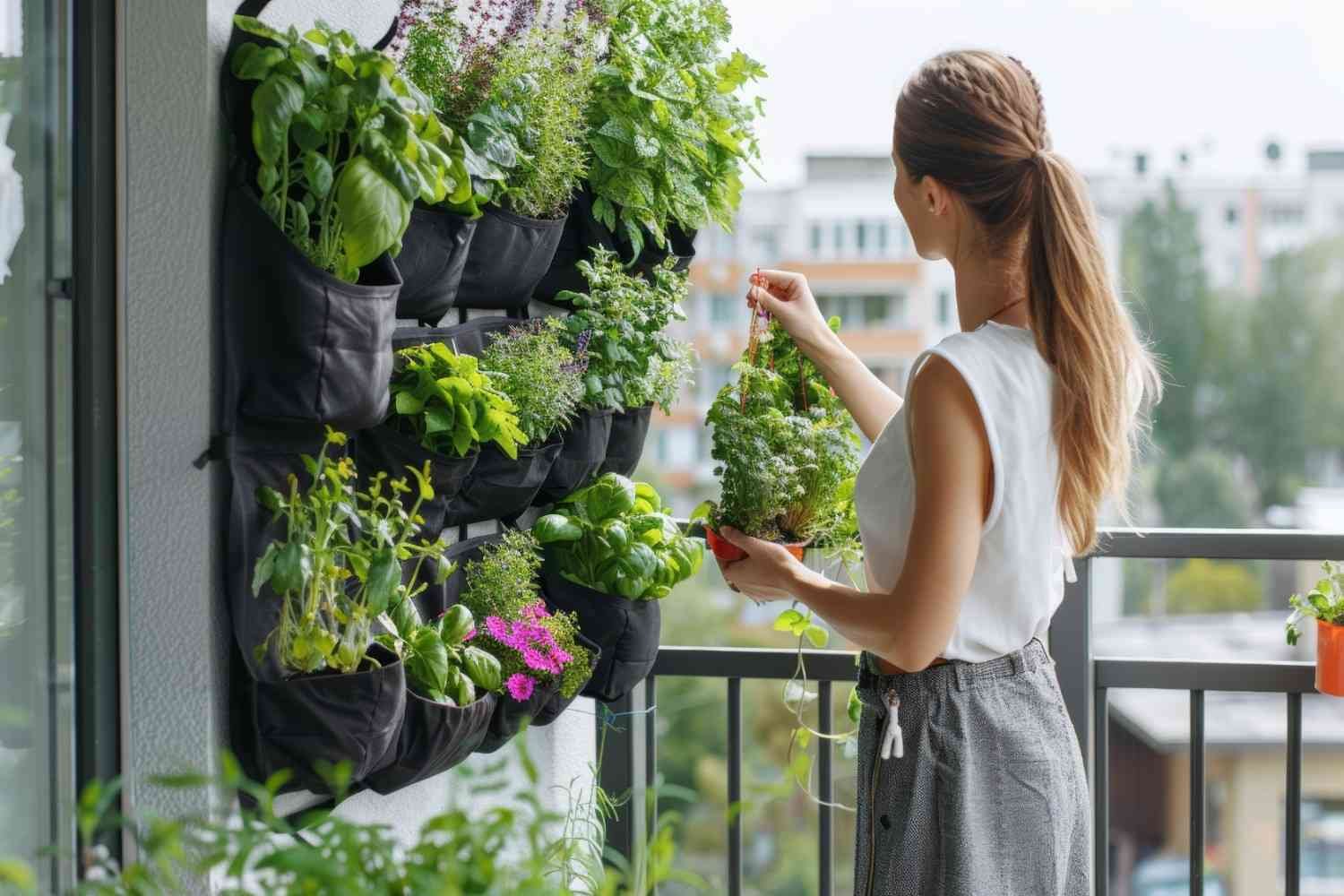

Imagine stepping into your kitchen, plucking a fresh tomato from the vine or adding a handful of homegrown herbs to your dinner. Sounds too good to be true, right? Well, growing vegetables indoors is not only possible, but it’s easier than you might think.
Indoor gardening is an easy, enjoyable, and fulfilling way to bring nature within, whether you’re in a small city apartment or simply want to eat fresh produce all year round.
I started growing my own vegetables inside my home a few years ago, and it’s been an absolute game-changer. No more waiting for the right season or relying on store-bought produce. By using a few simple tricks, I’ve been able to create a thriving indoor garden that gives me fresh, homegrown vegetables every single day. Ready to give it a try? Let’s dive in!
Why Grow Vegetables Indoors?
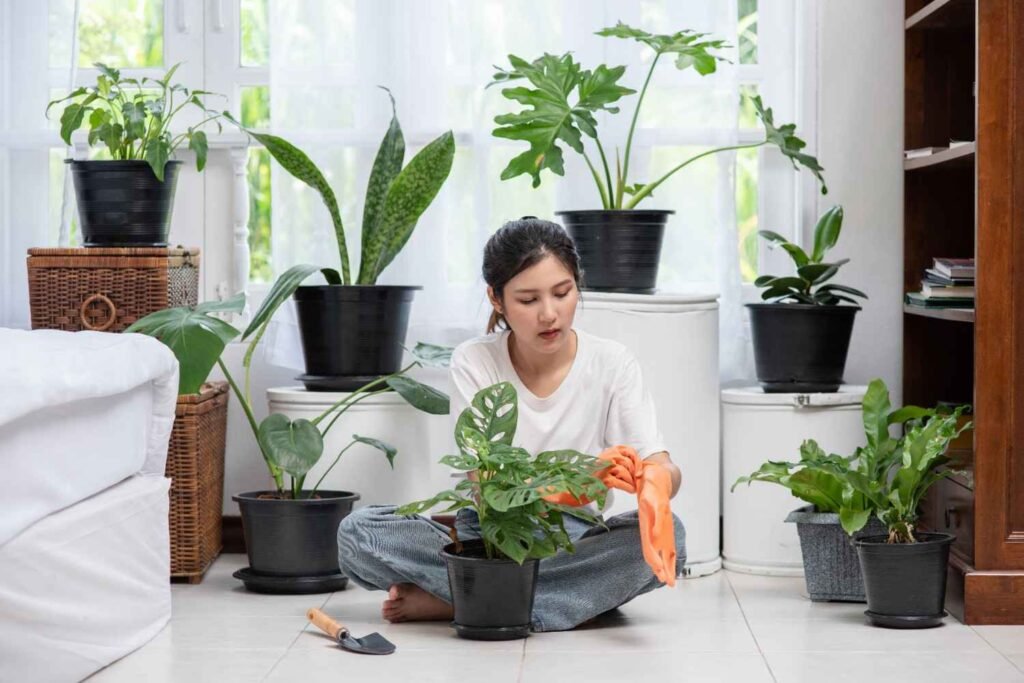
Indoor vegetable gardening offers several advantages, especially for those with little to no outdoor space. Growing your own produce indoors allows you to:
- Enjoy fresh vegetables year-round: No more waiting for the right season to harvest.
- Save money: Growing your own vegetables is more cost-effective than buying them at the store.
- Ensure better quality: You control what goes into your plants, meaning you can avoid harmful chemicals and pesticides.
With the right conditions, even small spaces like windowsills or kitchens can become productive mini-gardens. It’s all about creating the right environment for your plants to thrive. Fresh vegetables grown at home also make it easier to cook nutritious meals and maintain a balanced plate every day.
Top Vegetables for Indoor Growing
When I first started growing vegetables indoors, I was surprised by how many varieties actually thrive in smaller spaces. Here are the best options for indoor gardening:
1. Leafy Greens
Leafy greens like lettuce, spinach, kale, and arugula are perfect for indoor gardening. They have shallow roots and don’t require as much light as fruiting plants, making them ideal for smaller spaces.
2. Microgreens
Microgreens, such as broccoli, mustard, and radish, are nutrient-dense and grow quickly, often ready to harvest in just 7–14 days. I love growing them in shallow trays, and they’re a perfect choice for beginners.
3. Herbs
Herbs like basil, mint, chives, and cilantro do well indoors and are great for kitchen windowsills. Most herbs require bright, indirect light, but mint is a bit more adaptable and can tolerate partial shade.
4. Root Vegetables
Root vegetables such as radishes and baby carrots can be grown in containers that are at least 6–12 inches deep. I find these plants easy to grow and fun to harvest.
5. Fruiting Vegetables
Fruiting vegetables like dwarf cherry tomatoes and peppers can thrive indoors, though they need 10–16 hours of light daily. These plants also require manual pollination, which I do by gently shaking the plant or using a small brush.
Essential Growing Supplies for Indoor Gardening
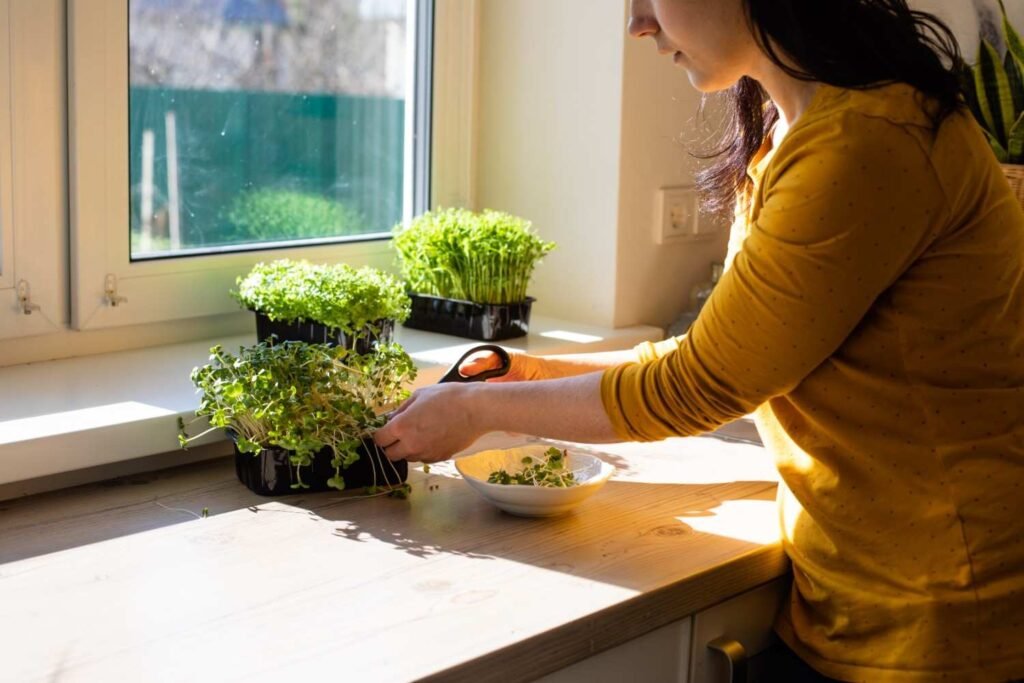
Setting up a successful indoor garden requires the right supplies. Here’s what I use to ensure my vegetables grow healthy and strong:
Lighting
While south-facing windows are great for natural light, I found that LED grow lights are a game-changer, especially during the winter months when natural light is limited. For fruiting plants like tomatoes and peppers, I use full-spectrum lights to simulate sunlight, keeping them happy for 14–20 hours daily.
Potting Mix
I always use a high-quality, organic soilless potting mix that contains ingredients like peat moss, coconut coir, and perlite for proper drainage. I avoid using regular garden soil because it’s too heavy and can contain pests.
Containers
It’s important to choose containers with drainage holes to prevent root rot. Shallow trays (2–4 inches) work great for leafy greens, while deeper pots (8–12 inches) are necessary for root and fruiting vegetables. I always make sure my pots are the right size for the plants I’m growing.
Nutrition
Indoor plants need regular feeding since nutrients deplete faster in containers. I use a water-soluble organic fertilizer every 1–2 weeks to keep my plants nourished. You can also use compost tea as a natural fertilizer.
Indoor Maintenance Tips for Healthy Plants
Indoor vegetable gardening is not just about setting up — maintenance is key. Here are some tips I’ve learned along the way:
Watering
Water your plants when the top inch of soil feels dry to the touch. Overwatering is a common mistake, so I make sure to check soil moisture daily. A water meter can help if you’re unsure.
Air Circulation
Proper air circulation is crucial to prevent mold and pests. I use a small electric fan in my indoor garden to improve airflow, which helps strengthen the plants’ stems and reduces humidity levels that encourage mold growth.
Pest Control
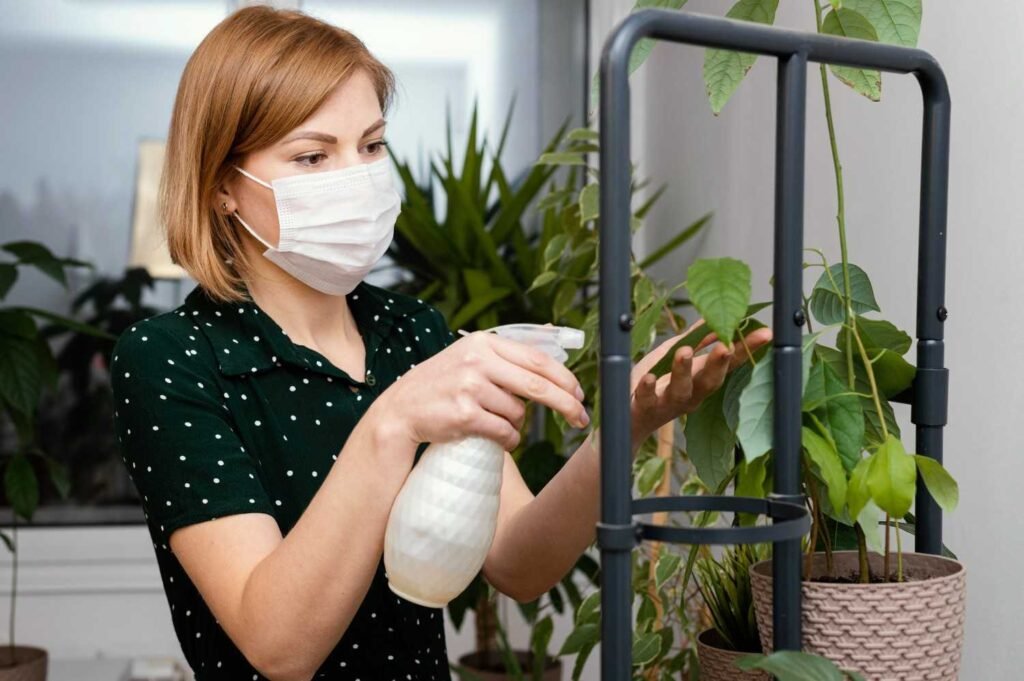
Indoor plants are less likely to suffer from pests, but it’s still important to keep an eye out. Aphids and fungus gnats are the most common indoor pests. I treat any outbreaks with a gentle water spray or use organic insecticidal soap to keep pests at bay.
Frequently Asked Questions (FAQs)
1. Can I grow vegetables indoors without natural light?
Yes! Grow lights can provide the necessary light spectrum for your plants to thrive indoors. I’ve used LED grow lights with great success for tomatoes, peppers, and leafy greens.
2. How do I choose the right container for indoor plants?
The size of the container depends on the plant. Leafy greens can thrive in shallow containers, while root vegetables need pots that are at least 6–12 inches deep. Always ensure the container has drainage holes to prevent waterlogging.
3. How do I deal with indoor plant pests?
If you notice pests like aphids or fungus gnats, isolate the affected plant and treat it with insecticidal soap. Regularly inspect your plants to catch pest problems early.
Start Your Indoor Vegetable Garden Today!
Growing vegetables indoors has been one of the most rewarding experiences of my gardening journey. Whether you’re growing leafy greens, herbs, or even fruiting plants like tomatoes, the process is simpler than you might think.
All you need is the right lighting, containers, and a little attention to detail.
By following these tips and using the right supplies, you can enjoy fresh, homegrown vegetables no matter where you live. If you’re new to indoor gardening, start small and experiment with a few easy-to-grow plants. Trust me, once you see your first harvest, you’ll be hooked!